GOOD EARTH PART I <em> (and how to know it)</em>
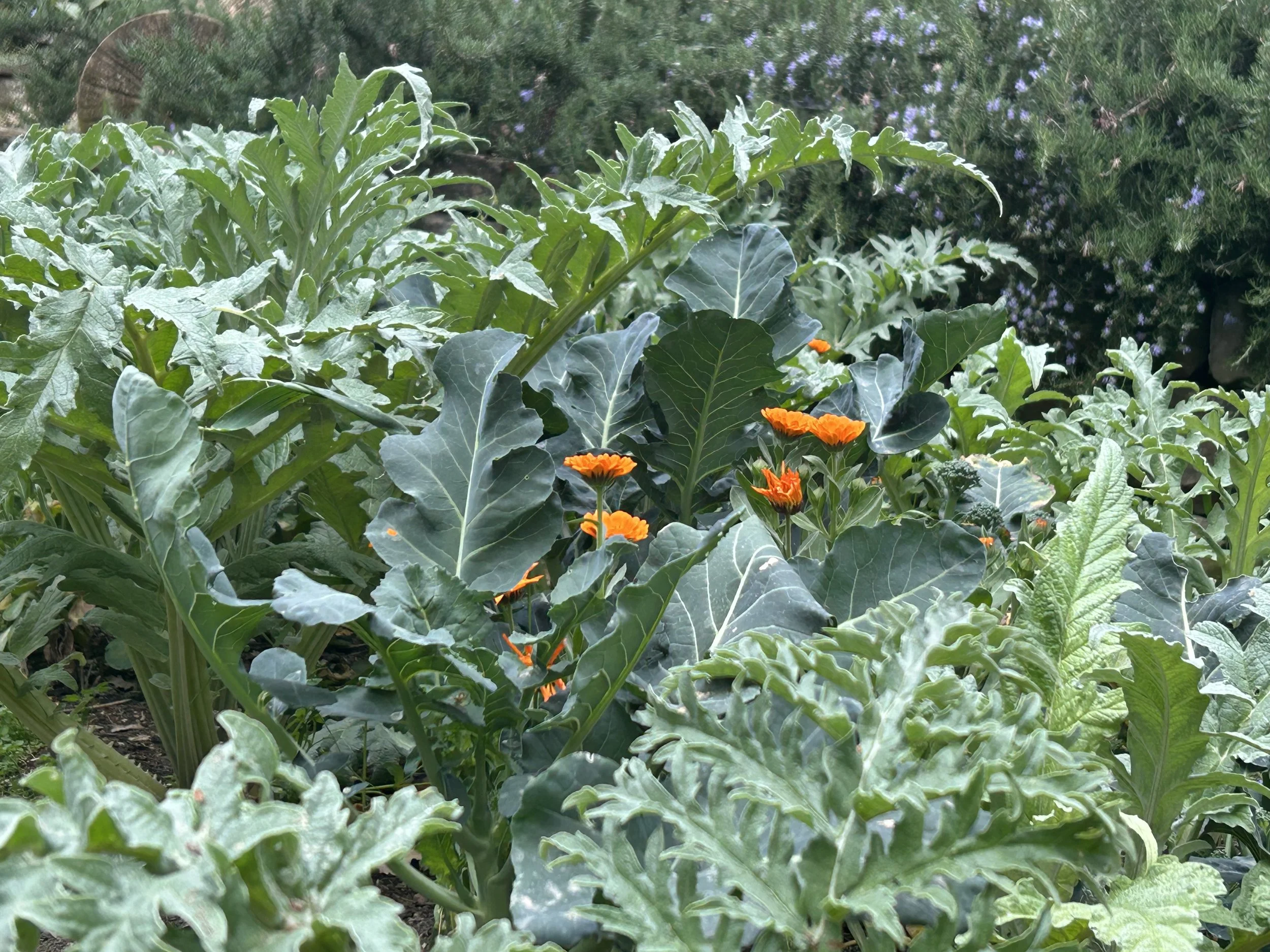
Wild calendula emerging among the artichokes. Calendula, just like artichokes, is partial to well-drained, nutrient rich, slightly acidic soil. Where it spontaneously appeared, growing and proliferating, told me that the soil conditions are perfect for planting artichokes.
Seeds are not the determining factor in the health and resilience of our forests and fields, our savannahs, our food. Like our environment, seeds are not static but in a constant state of change, evolving to fit themselves into the changing world. It is the soil, not discounting the atmosphere and water, which is the primary support of all plant life, indeed all life. Living dynamic soil.
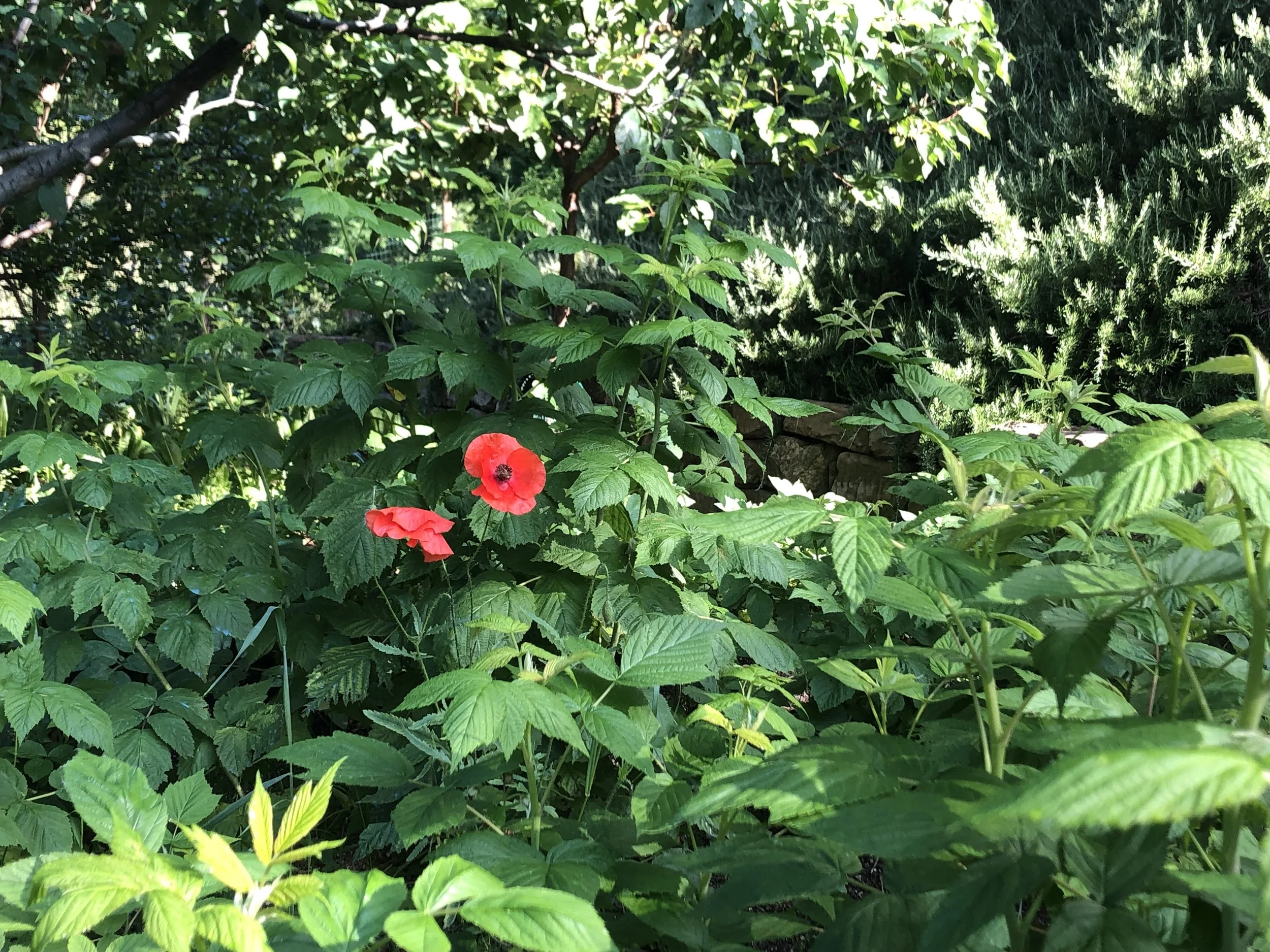
Wild poppies and blackberries
Along with healthy soil, observation, close observation, is critical for successful farming. To understand the health of the ecosystem, to anticipate a change before it is a problem, requires time for just being present with the land. This is how one knows 'good land', healthy soil whether it is in your backyard, a vacant lot, or forty acres in the country. The first time I saw the small farm on which we live, we walked the perimeter. It was easy to see it was an oak/pine forest. But there were also many juniper bushes in the understory, elder and blackberry bushes in the sunlit hedgerows. Wild cherry, plum, walnut and fig trees were scattered through the fields. Along with the plentiful mushrooms, burdock, nettles, chicories and chickweed, I knew we could feed ourselves just from walking within the forest, across a field and near the house. And the nettles and chicories and chickweed proliferating in the area I hoped to cultivate told me something else... that the soil was fertile and could support the crops I wished to grow.
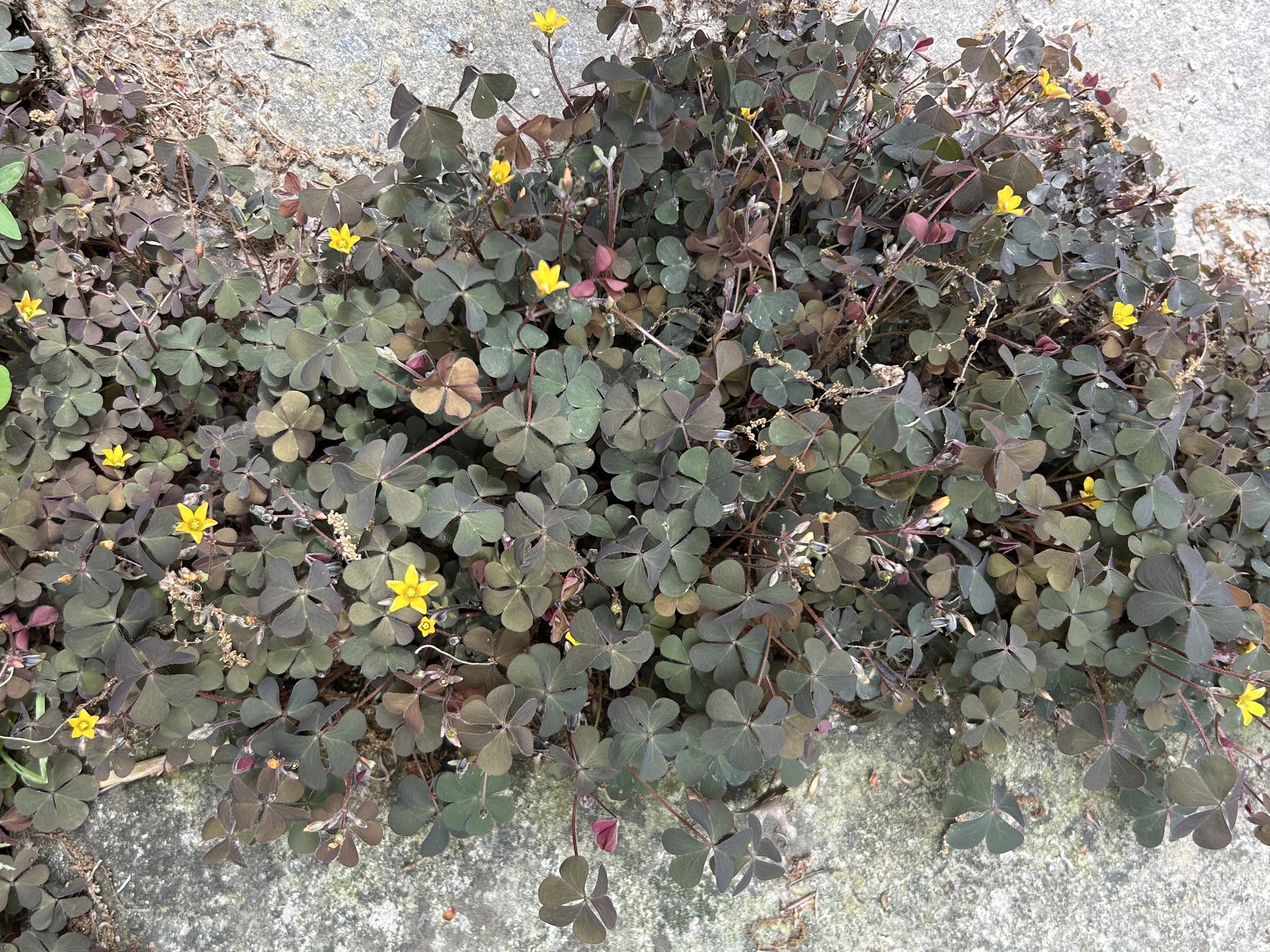
Creeping Woodsorrel, (Oxalis corniculata), is an important addition to ecosystem farming as it provides a ground cover during our dry summer, preventing soil erosion and holding in moisture
The type of soil depends on the parent rock from which it was formed, the climate, the local plant community, and the availability of water. Fertile soil consists of decomposed rock and minerals, adequate moisture, and the decayed remains of plants and animals. It is literally crawling with life, visible and invisible; an extensive community of diverse organisms: small animals, plants, fungi, bacteria, insects, worms, and protists. The fungi and microorganisms transport and exchange moisture and minerals (and we are still discovering what else) with the plant roots to obtain their sugars.
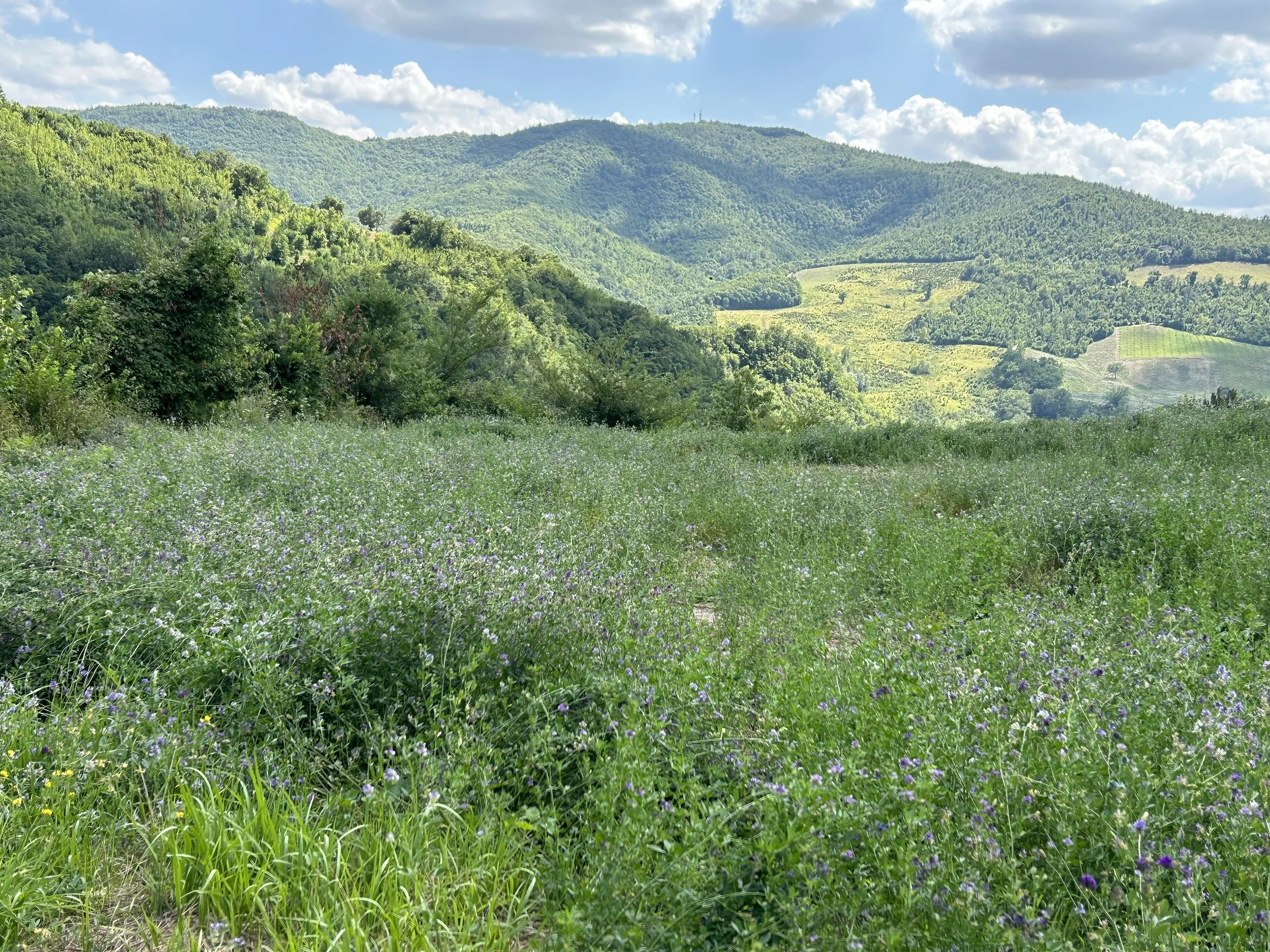
When I went looking for land I avoided all flat landscapes devoid of trees and compacted by tractors. Interestingly, rolling hills with trees were far less expensive than flat farmland. I looked at areas within forests, which hold more moisture and are a natural water source. I looked at long neglected farmland, land now covered in vibrant vegetation, knowing that it could be farmed again. Beyond that... how did I know about the soil quality, what I would be able to plant? How would I know if the soil needed amending?
I know the weeds.
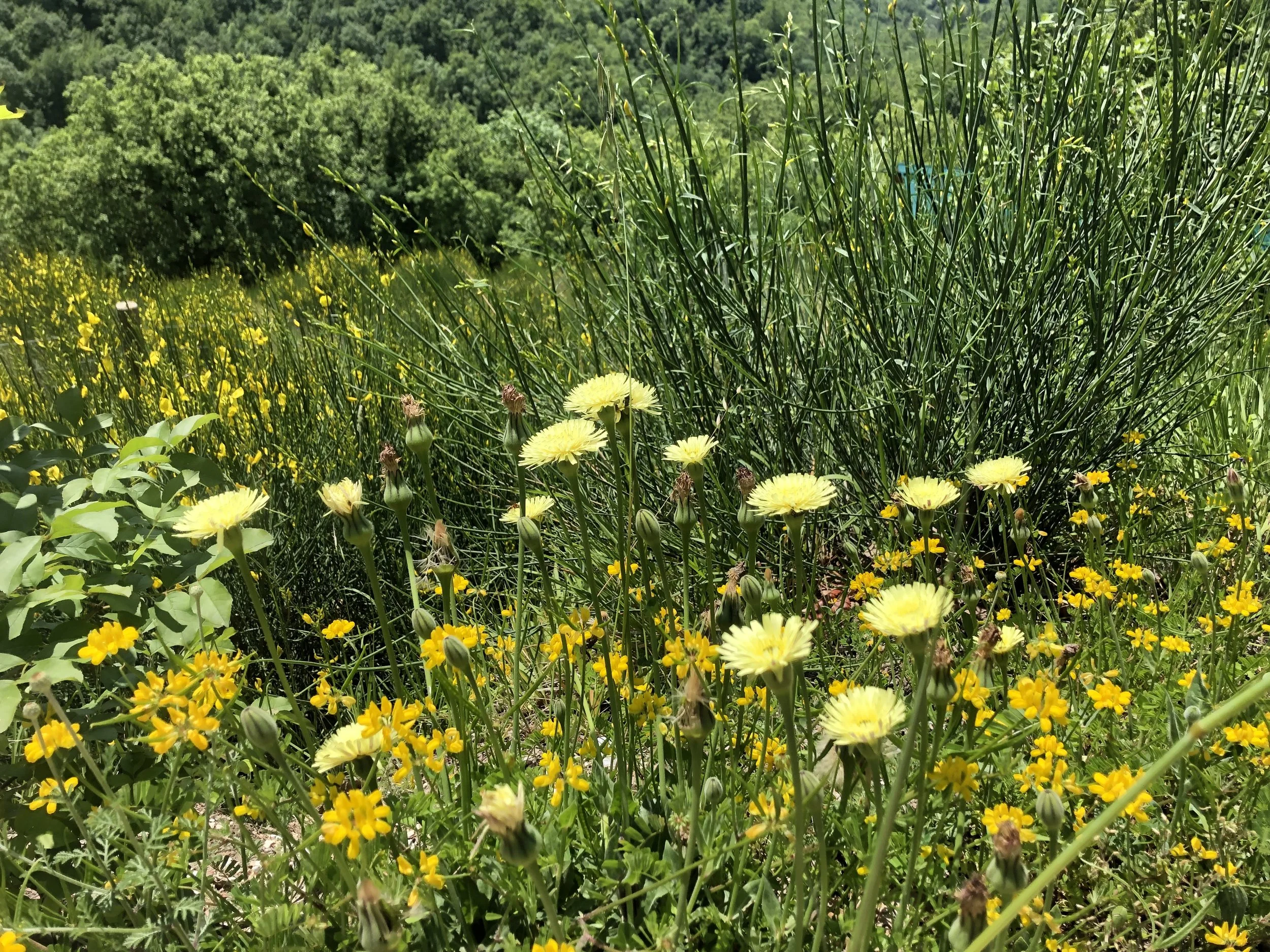
I learned the most common local weeds in my area and the conditions in which they thrive, particularly those indicating rich soil conditions. A good book on wild plants is essential and a plant identifier app on your phone helps. In combination, the weeds tell us very specific soil conditions. Each wild plant species exists where it is as a result of the amount of organic matter, the soil chemistry, the available moisture, and the amount of sunlight. The weeds also tell us about the depth of the fertile soil, the soil type and whether it is friable or compacted. A complete soil analysis made easy.
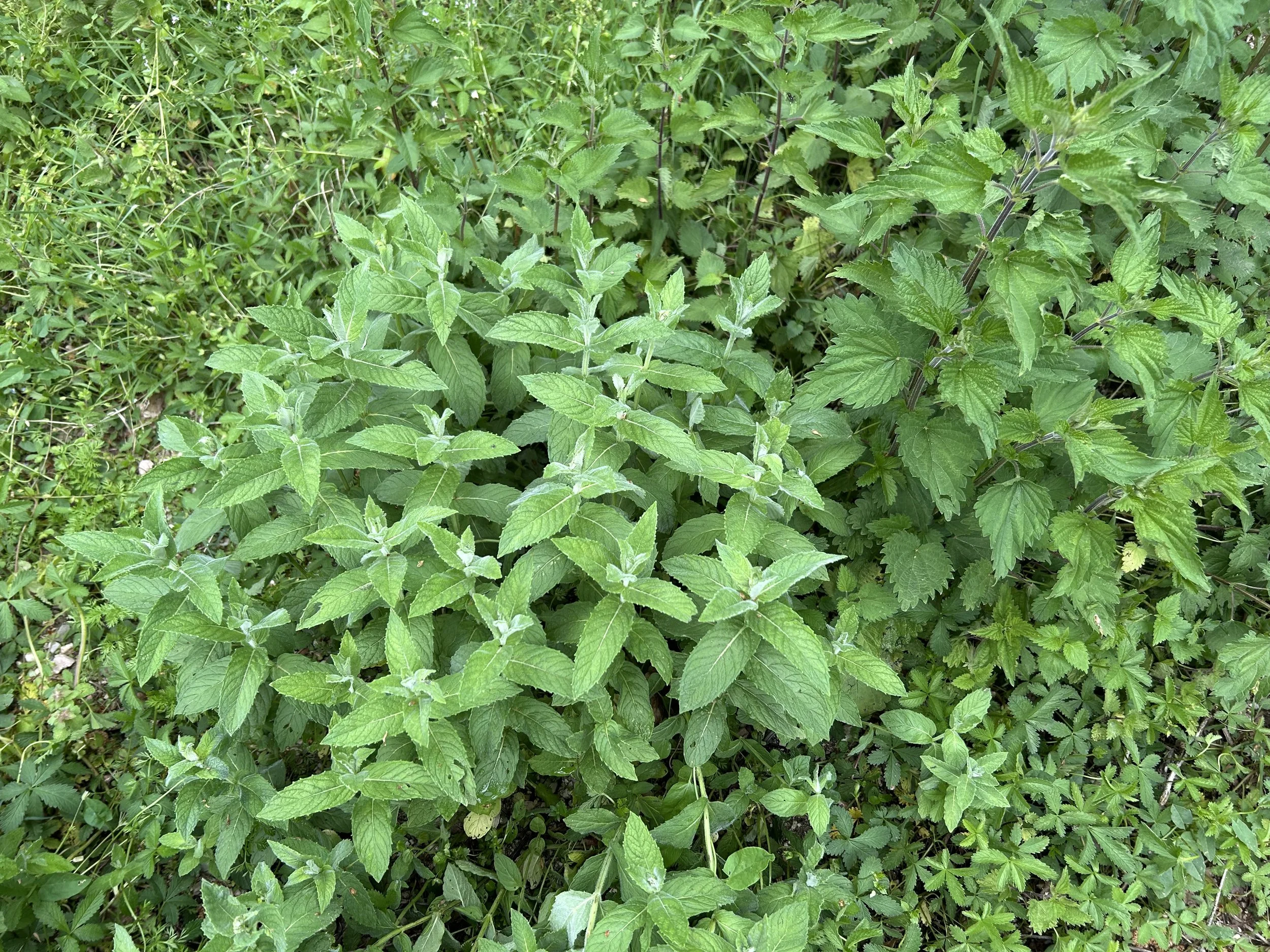
I don't want to see only field grass or one type of weed. The greater the variety of robust wild species, the more accurate the analysis. I counted five species here.
On a patch of land, only one or two species of weeds means real trouble—depleted, worn-out soil. I want to see a thick mix of diverse weeds growing robustly on the land I will cultivate for my food. I want to see weeds which indicate enough fertility to support a plant community. A minimum of five different weedy plants will give me a sense of the soil.
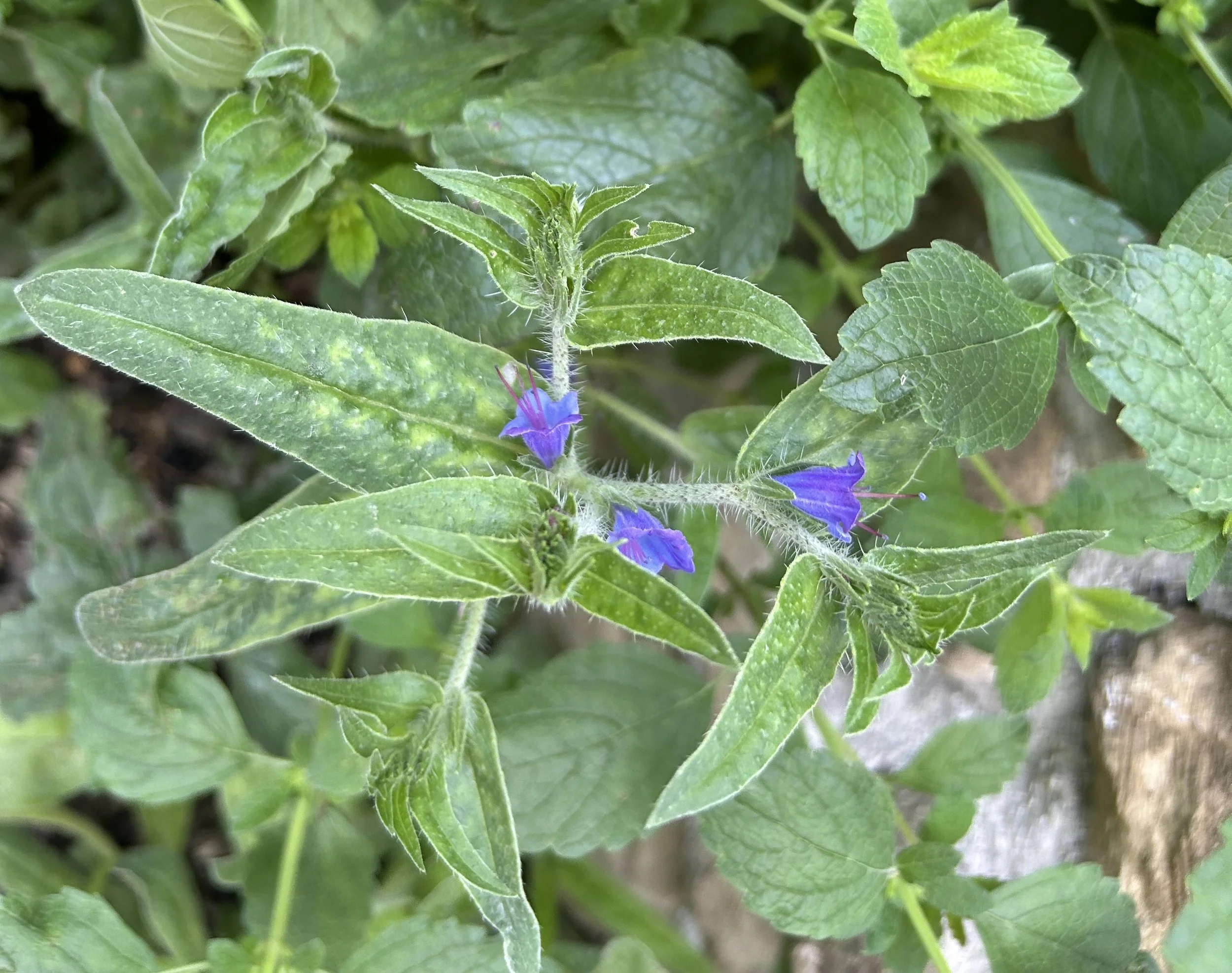
Viper's bugloss (Echium vulgare) amongst the lemon balm.
In the gardens, I pull the wild grasses because they reseed vigorously. But I leave many of the weeds as the most nutritious are often the indicators of the healthiest conditions. And in fertile soil there is room enough for all. Sometimes I leave the ones which spread along the ground, providing a living mulch for our dry summers while serving as continual soil health monitors. And sometimes I leave a wild plant just because the color is insanely beautiful.
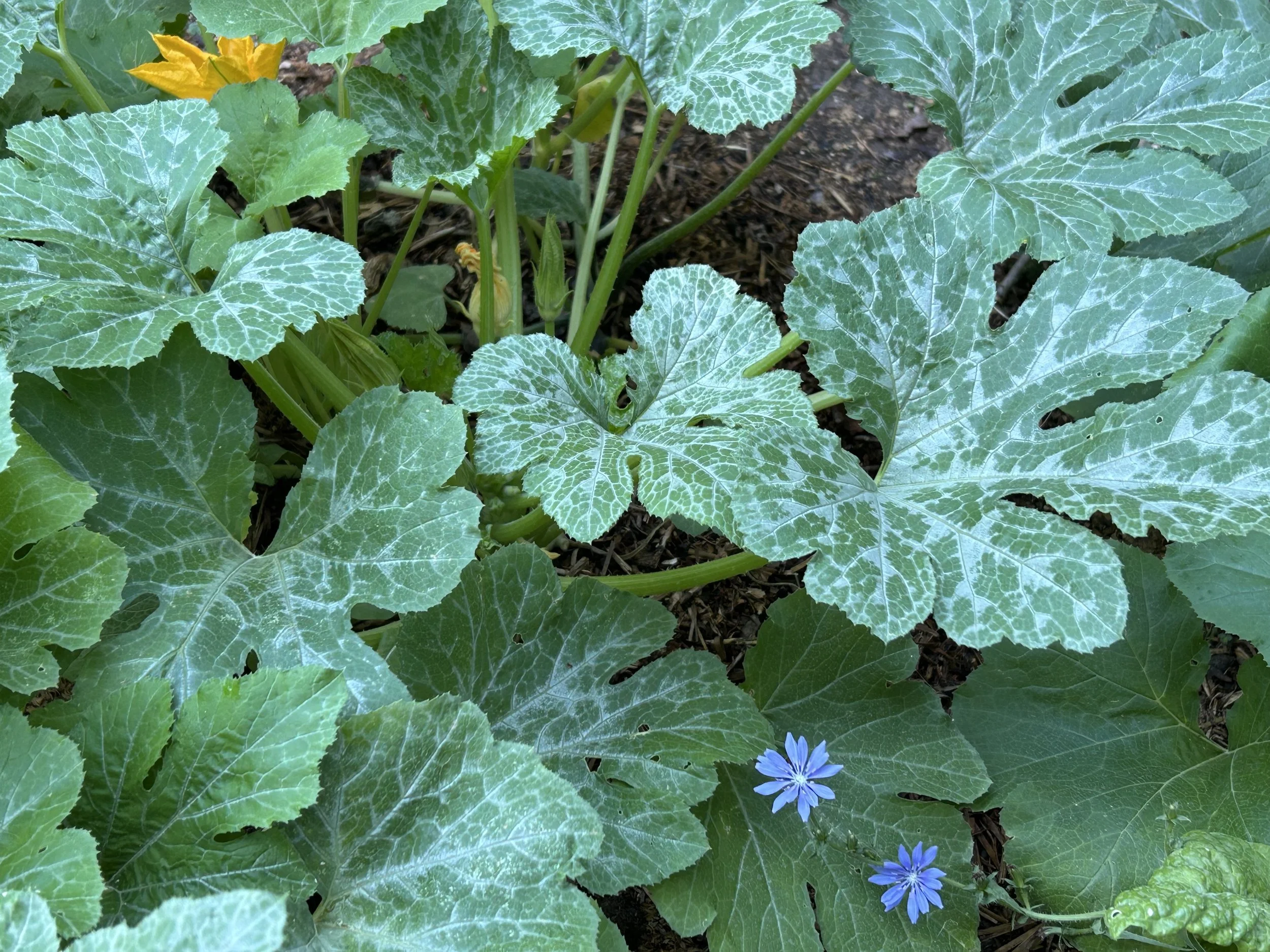
Chicory (Cichorium intybus) emerging from between zucchini plants, bottom right.
The following are my favorite indicators for rich soil (with their Latin names). These wild plants have travelled all over the world and thrive where there is enough moisture, organic material and essential nutrients for a season of robust growth.
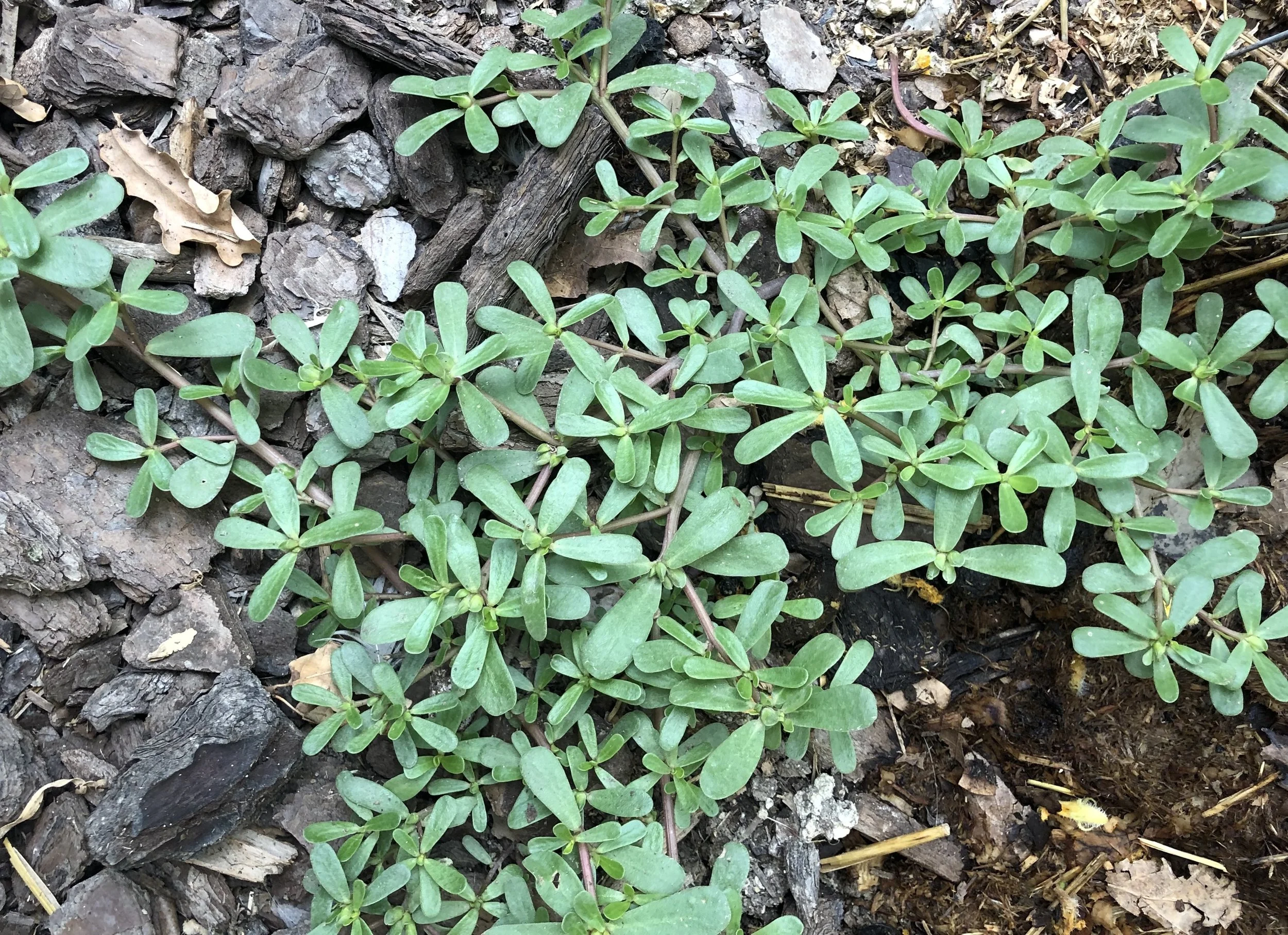
Purslane (Portulaca oleracea)
Purslane grows abundantly in the summer spreading out with plump succulent leaves if there is enough moisture. And, like woodsorrel, I let it spread as a living mulch over exposed ground. High in vitamins and omega-3 fatty acids, the leaves can be eaten raw in salads or stir-fried as a vegetable. This is a warm weather plant.
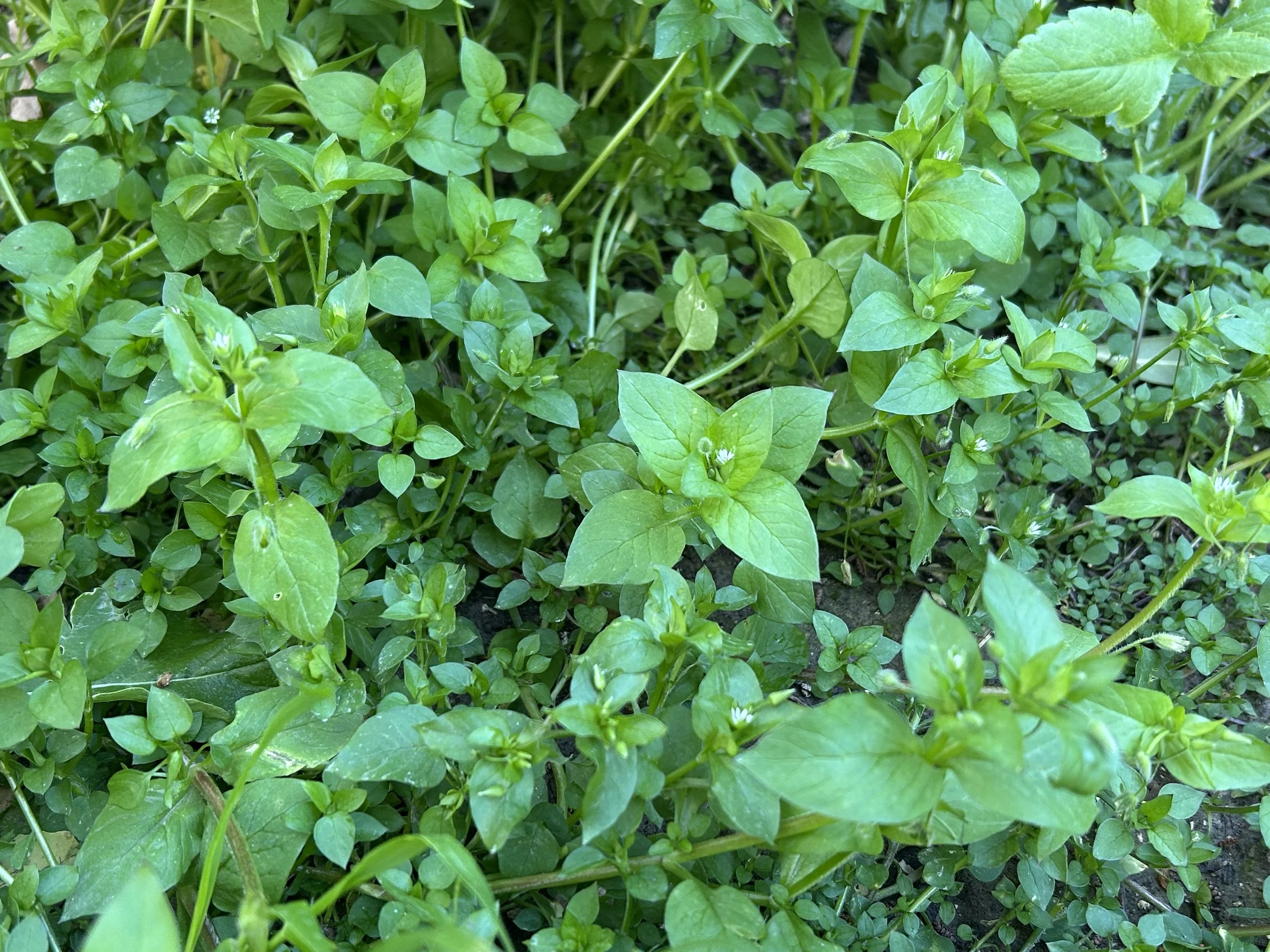
Chickweed (Stellaria media)
Chickweed is a cool weather plant and my favorite salad herb, well known for immense therapeutic uses. My chickens love it too. Succulent, plentiful, thick green and madly flowering chickweed indicates perfect soil for the winter and spring vegetable garden. It grows out of manure piles. It tolerates a fair amount of shade, growing under and between the broccoli and cauliflower giving me double the yield in the same area.
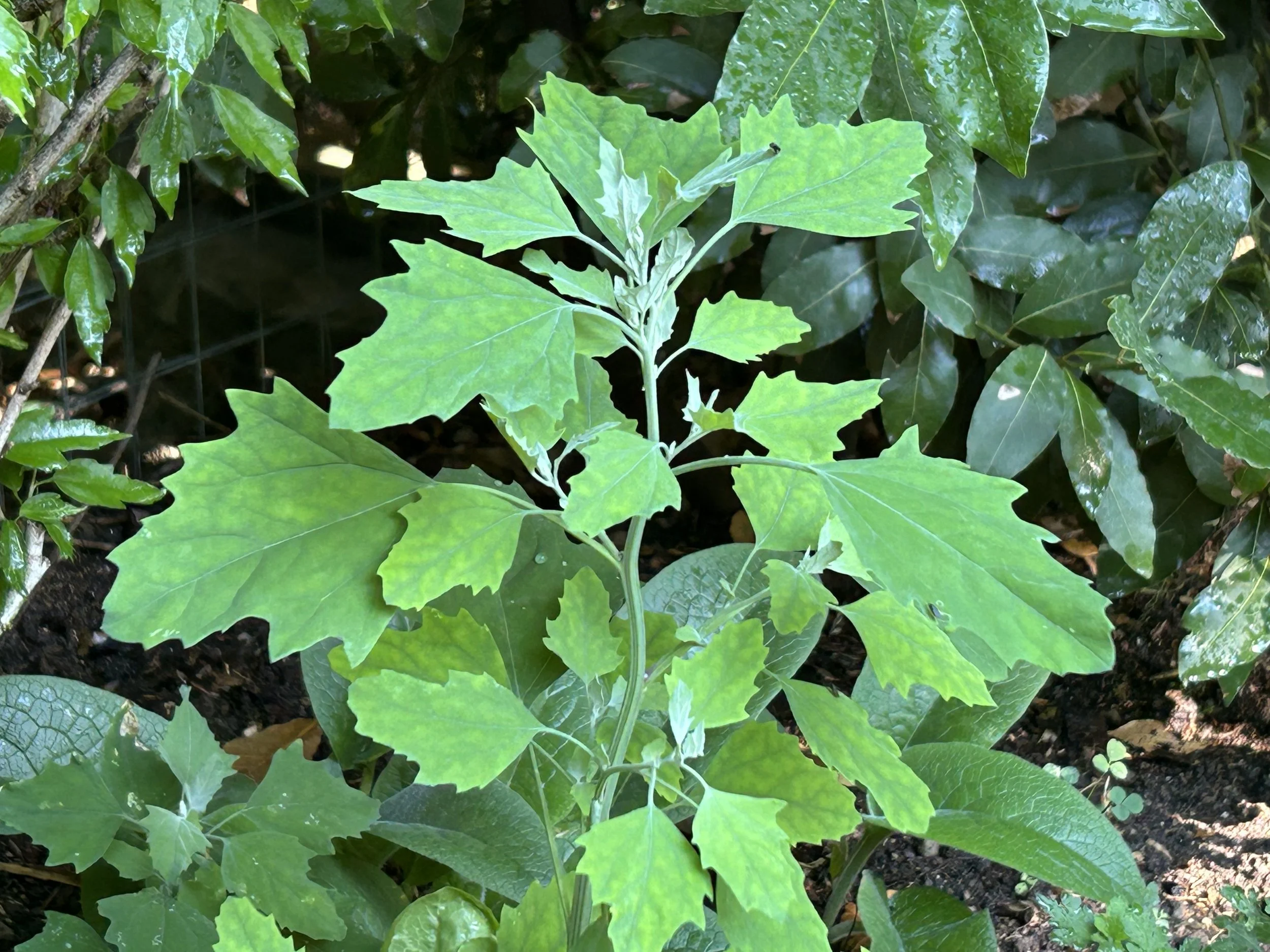
Lambsquarters (Chenopodium album)
Lambsquarters produces abundant seeds and is a great addition in a wildlife garden, attracting and feeding moths and butterflies as well as songbirds. Its presence in the garden means the soil is rich and fertile. It is also delicious—tastes like spinach—but it should be cooked as it contains oxalic acid.
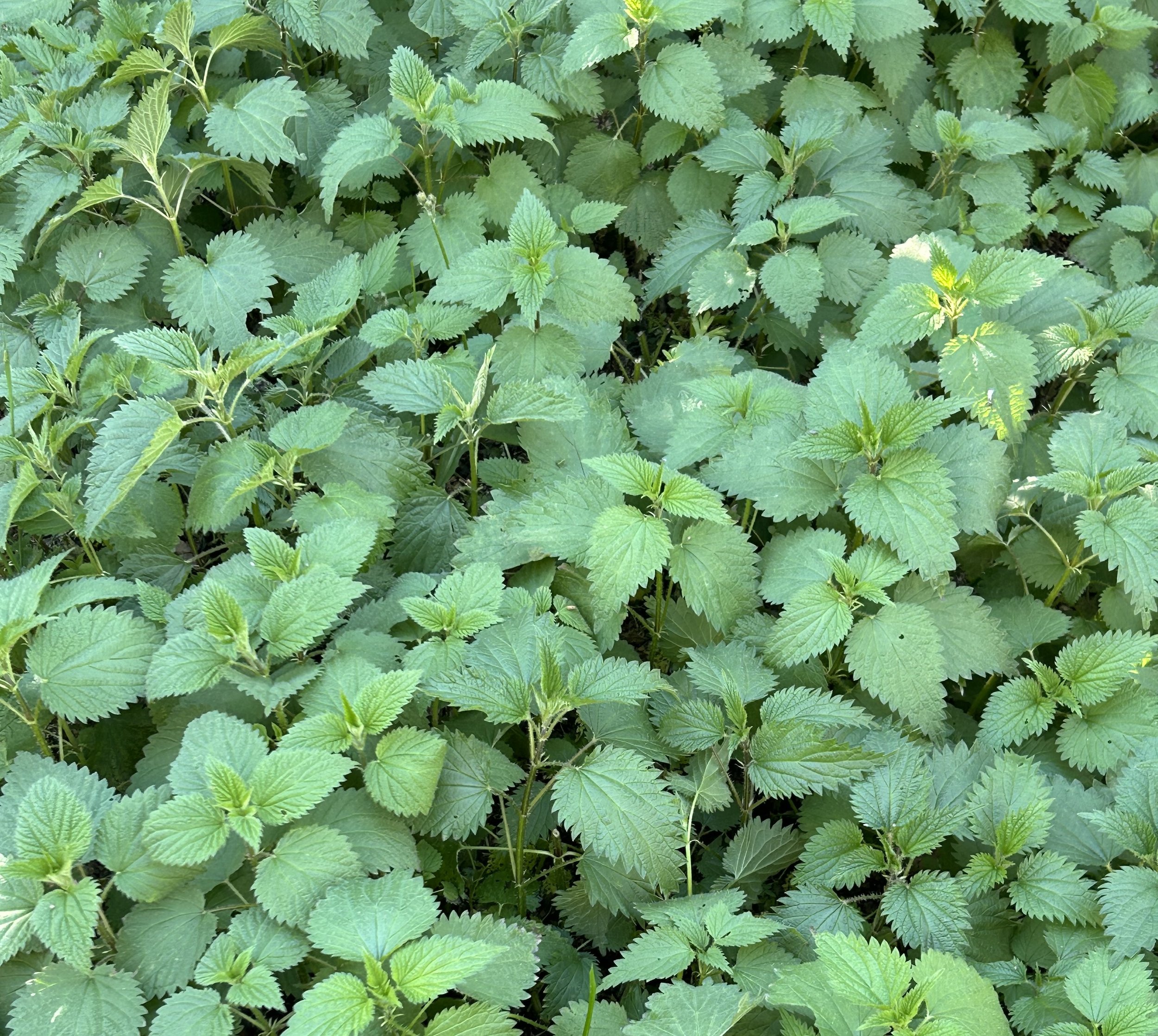
Stinging Nettle (Urtica dioica)
Nettles, gorgeous lush nettles, is another of my most useful wild plants—a nutrient-rich edible plant and a long standing part of traditional herbalism practices. In my garden, it gets its own bed as it spreads quickly and I need lots of it. This plant is rich in phosphorus making it an invaluable substitute for the unsustainable, deforesting, packed-with-pesticides banana. I harvest it wearing heavy gloves, using the leaves for tea, soup or a steamed vegetable.
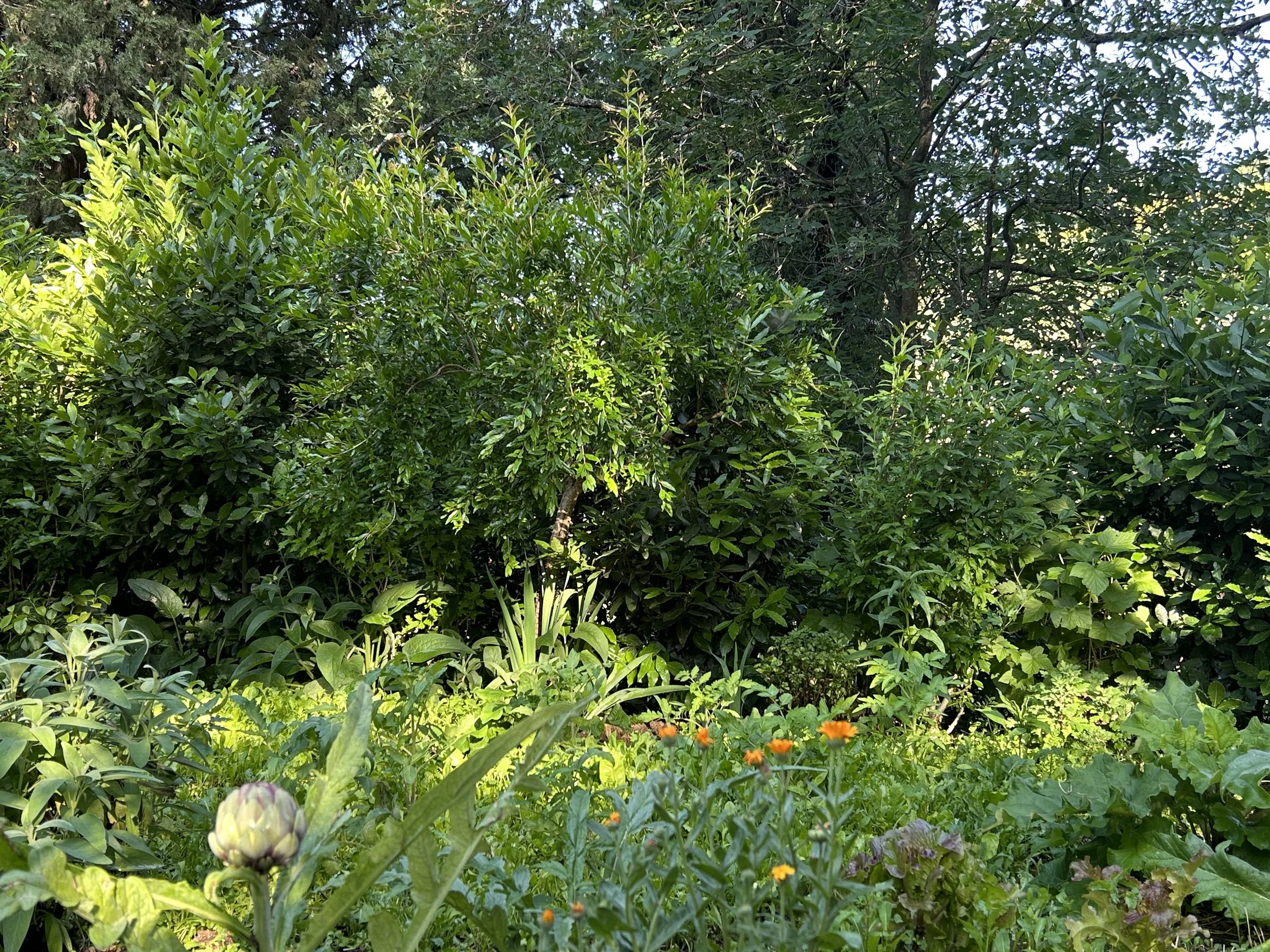
Trying to bludgeon the land to fit a specific crop is often destructive and becoming increasingly expensive in time, energy and limited resources. It makes sense to pay close attention to the plants which are already present, letting them lead us to good earth, with respect, making our work so much simpler.
Next time in The Good Earth. Part II: How to begin
Appendix
Here are three sites with which to begin to know the weeds: https://www.researchgate.net/publication/372629720_Weeds_as_Bioindicators_A_Farmer's_Field_Guide
https://wssa.net/2016/01/weeds-as-soil-indicators/
https://fairfaxgardening.org/wp-content/webdocs/ref/Indicator%20Weeds%20Table.pdf
© www.subversivefarmer.net June 2026