THE ROAD HOME
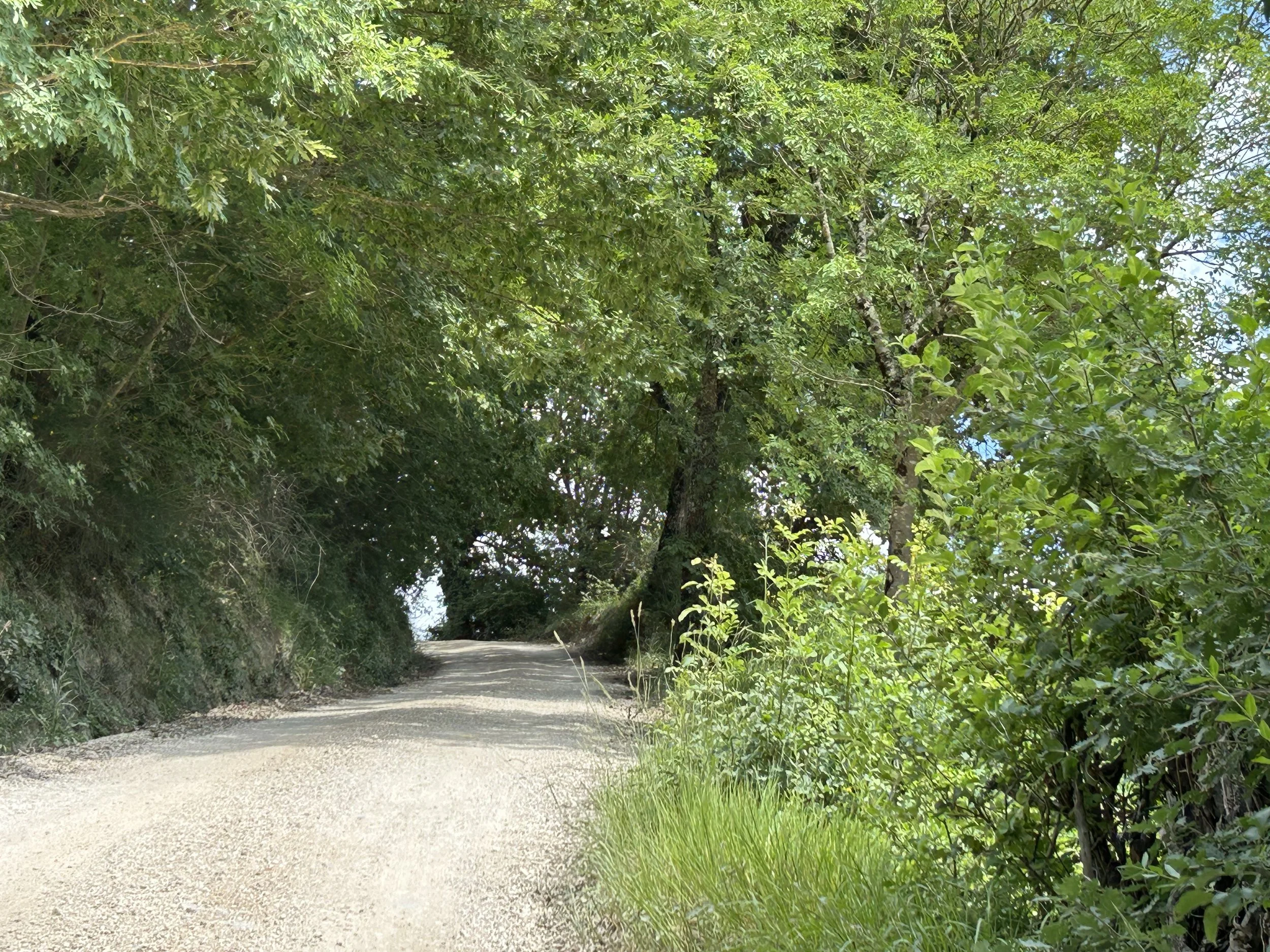
The road home
When I first discovered small-scale farming I was all in but knew nothing. I sold basil in the winter months, out-of-season. My small but successful business involved a large and costly plastic-covered greenhouse and refilling the propane tank inside it every winter month to keep the greenhouse at 70º F. I drove around in downtown traffic all day Friday delivering orders. I was oblivious to the significant costs involved—not financially, but the environmental destruction, emissions, pollution, waste.
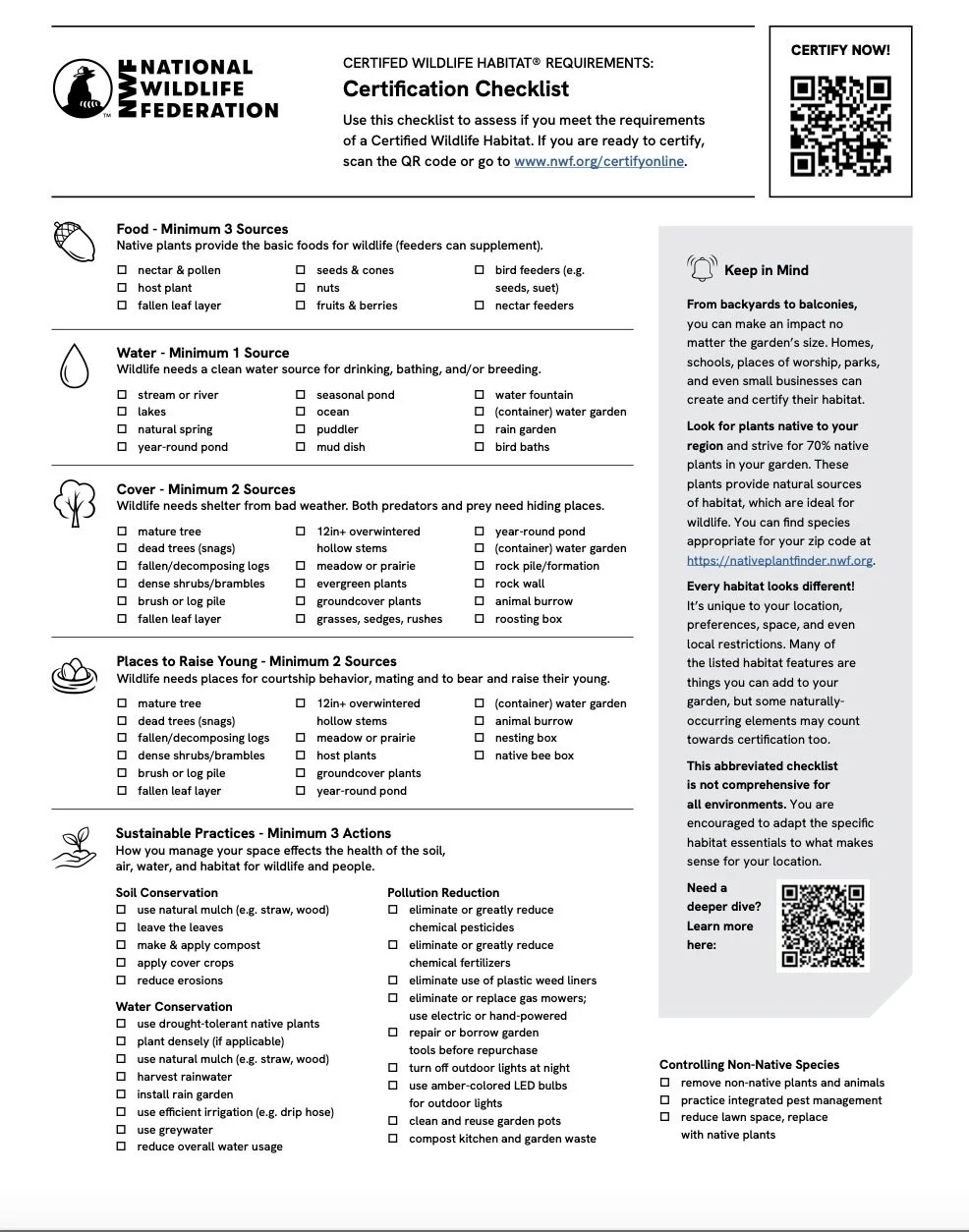
After several years of dependency on the local garden center for all my supplies, I stumbled upon the National Wildlife Federation and its guidelines for a certified (backyard) wildlife habitat. I joined the program. By using their guidelines (see appendix), applied to a small city farm, I increased the productivity while shrinking my expenses and my carbon footprint.
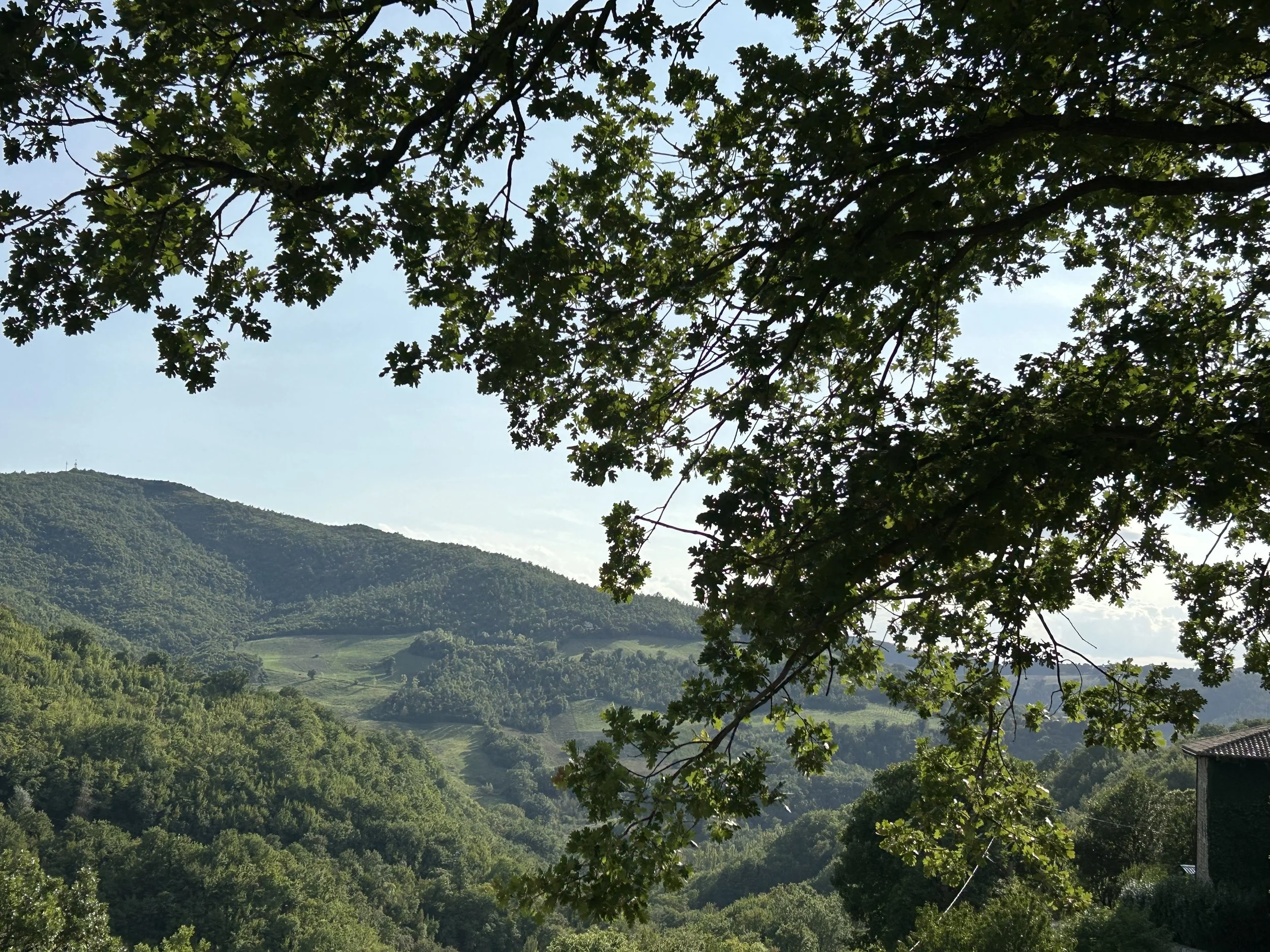
The land around us
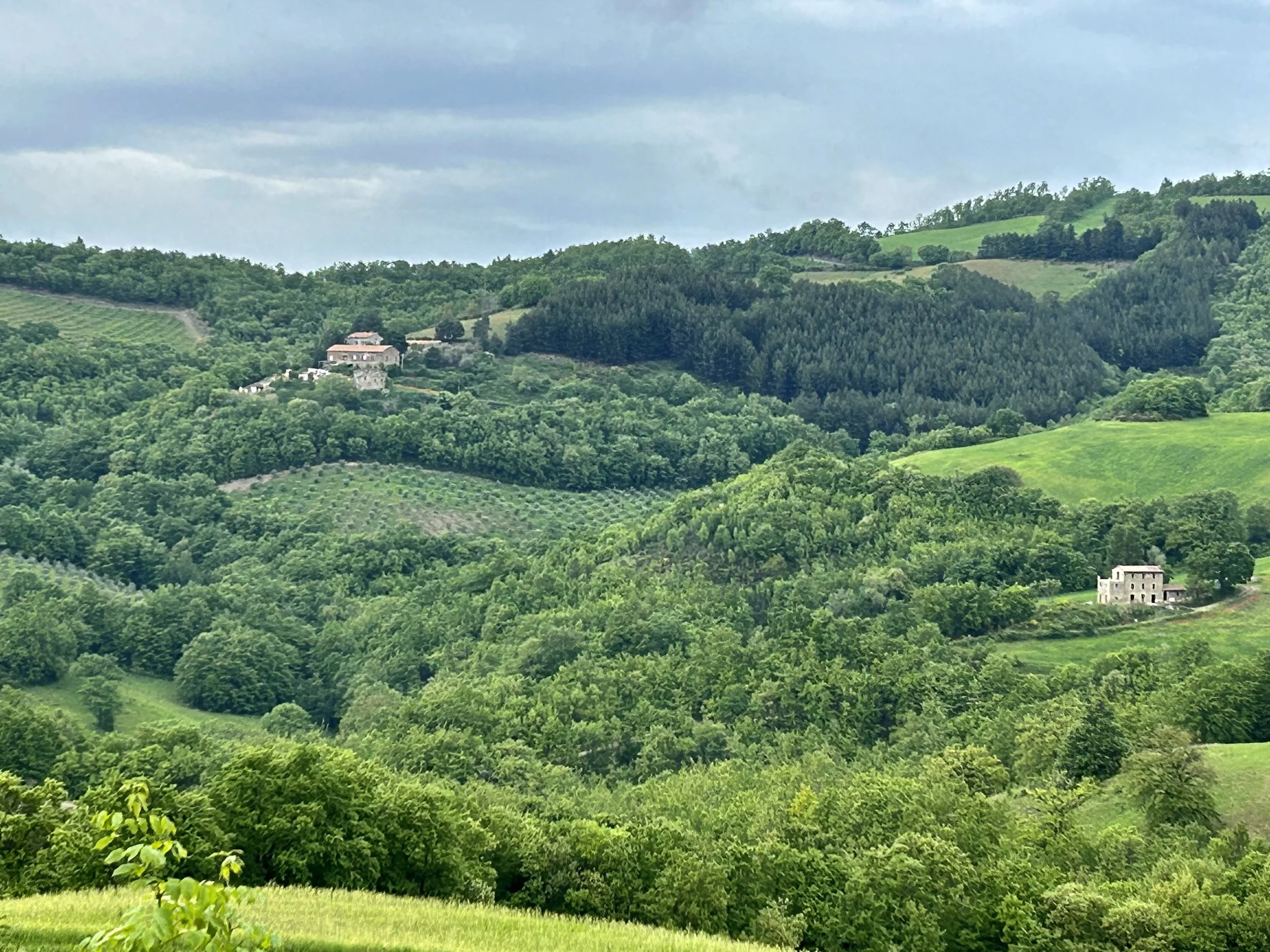
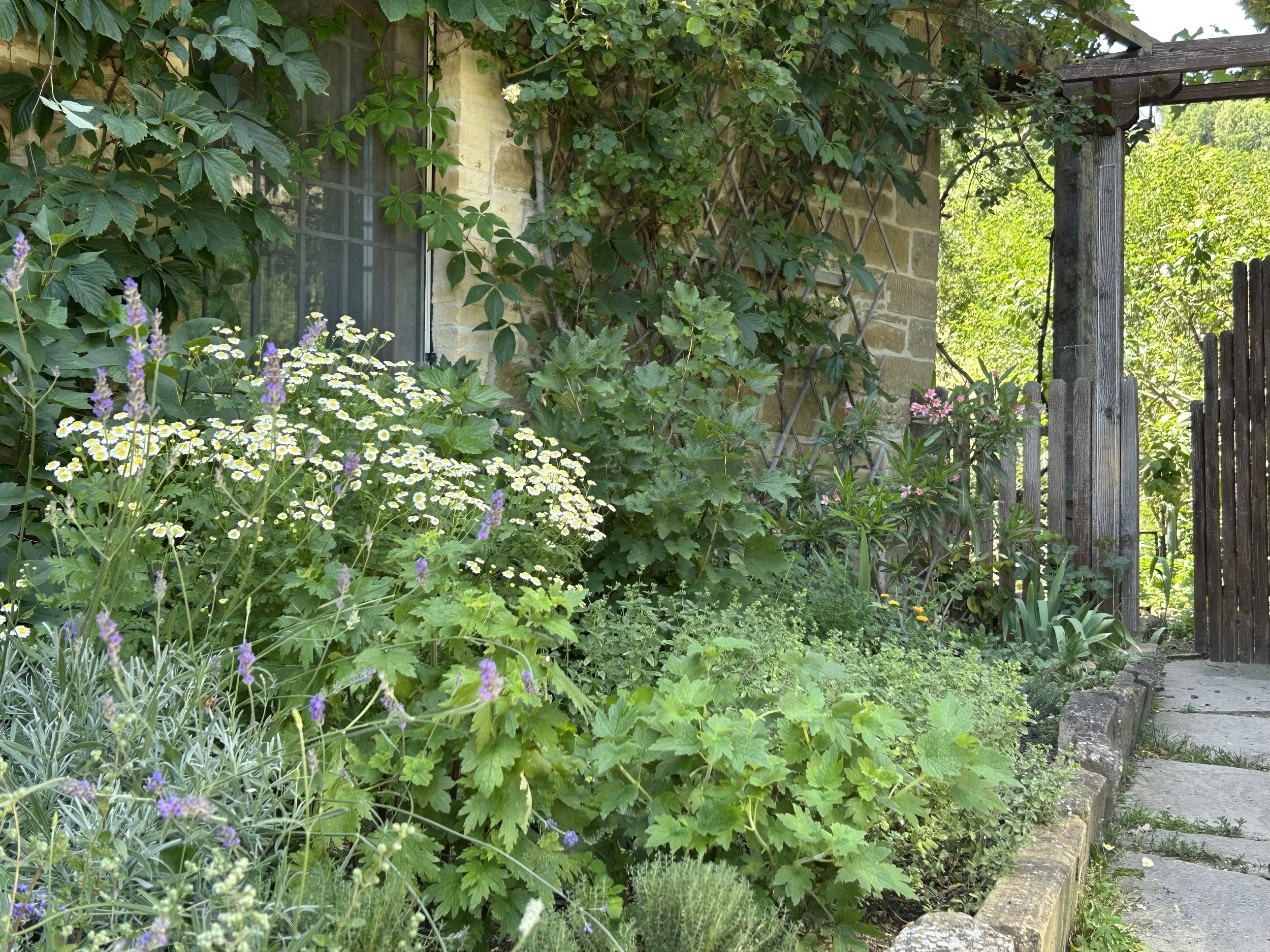
I did not arrive at self-sufficiency overnight. I started slow and small—growing herbs and wildflowers in my front yard. I planted a few fruit trees and a thicket of raspberry bushes. A year later I added a few seasonal vegetables. Now, I live within an oak/pine forest, the fields below the house being coaxed back to trees. I chose the edible plants based on creating a balanced diet throughout the year. The chickens’ and ducks’ eggs are our major source of protein. The large gardens are a mix of annual and perennial vegetables among fruit trees. The tree crops—a mix of indigenous and Middle Eastern—are suited to temperature extremes. With four sets of hands, we have little need for machinery. And there are start up grants to be had making it all the more attractive. It's enough.
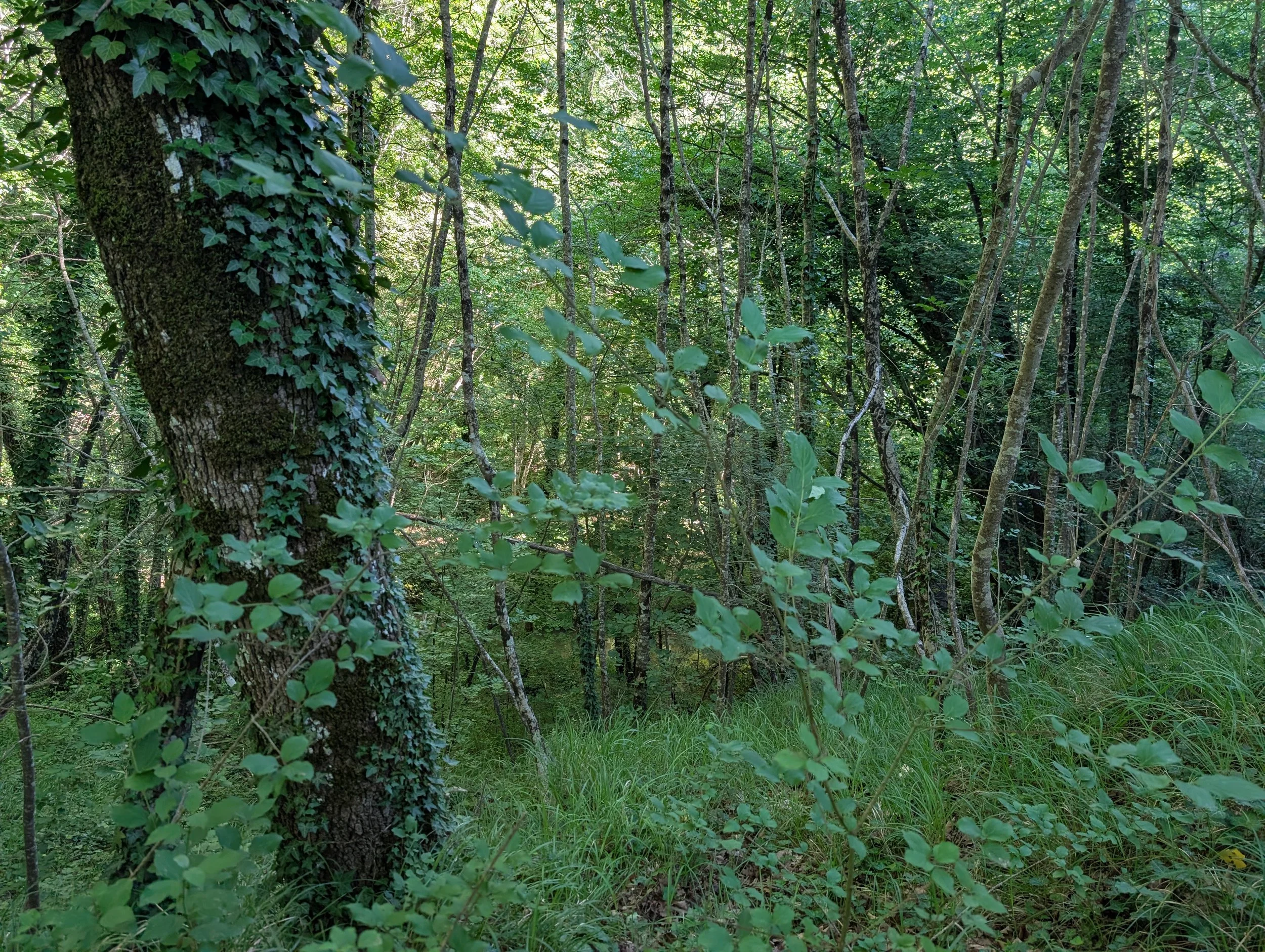
Approaching home
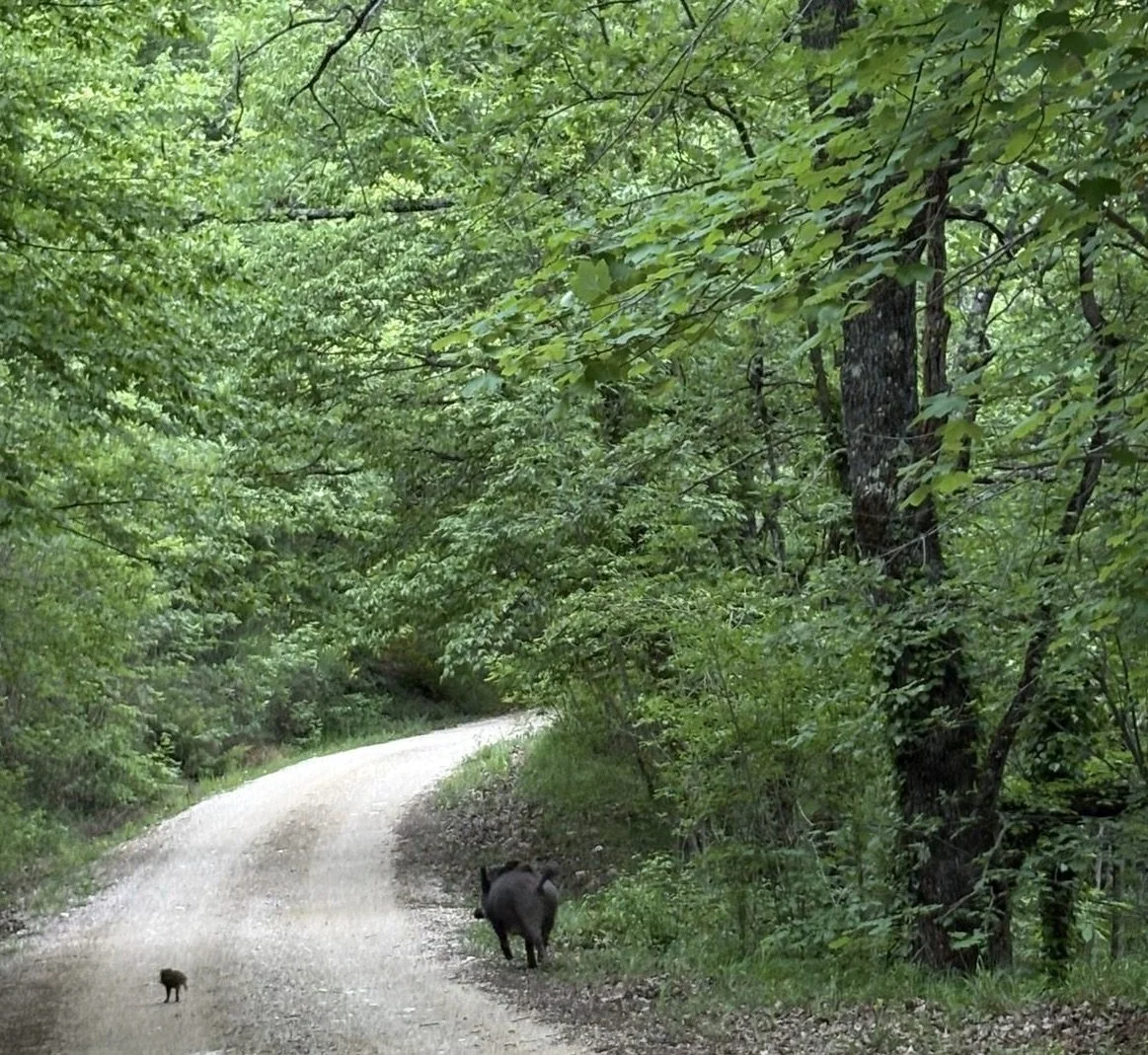
To be clear, without planning I could not live cultivating food in the mountains, as I share the land with wolves, wild boar, vipers, grasshoppers, aphids, mosquitoes... though I barely tolerate the hikers and hunters and mushroom poachers. But we planned. After numerous trials and many errors in our city farm, we now plant our most vulnerable and necessary crops next to the house. And we have dogs. Fruit, nut and olive trees are interplanted throughout the land. We have accepted the essential presence of insects and the native wildlife. But we also have fencing for the animals and an immense water collection system. They were our major expenses and were partially paid for with a grant from the European Union. (The Programma di Sviluppo Rurale paid half of all our startup expenses.) And we accept and prepare for climate chaos—though no one can adequately prepare.
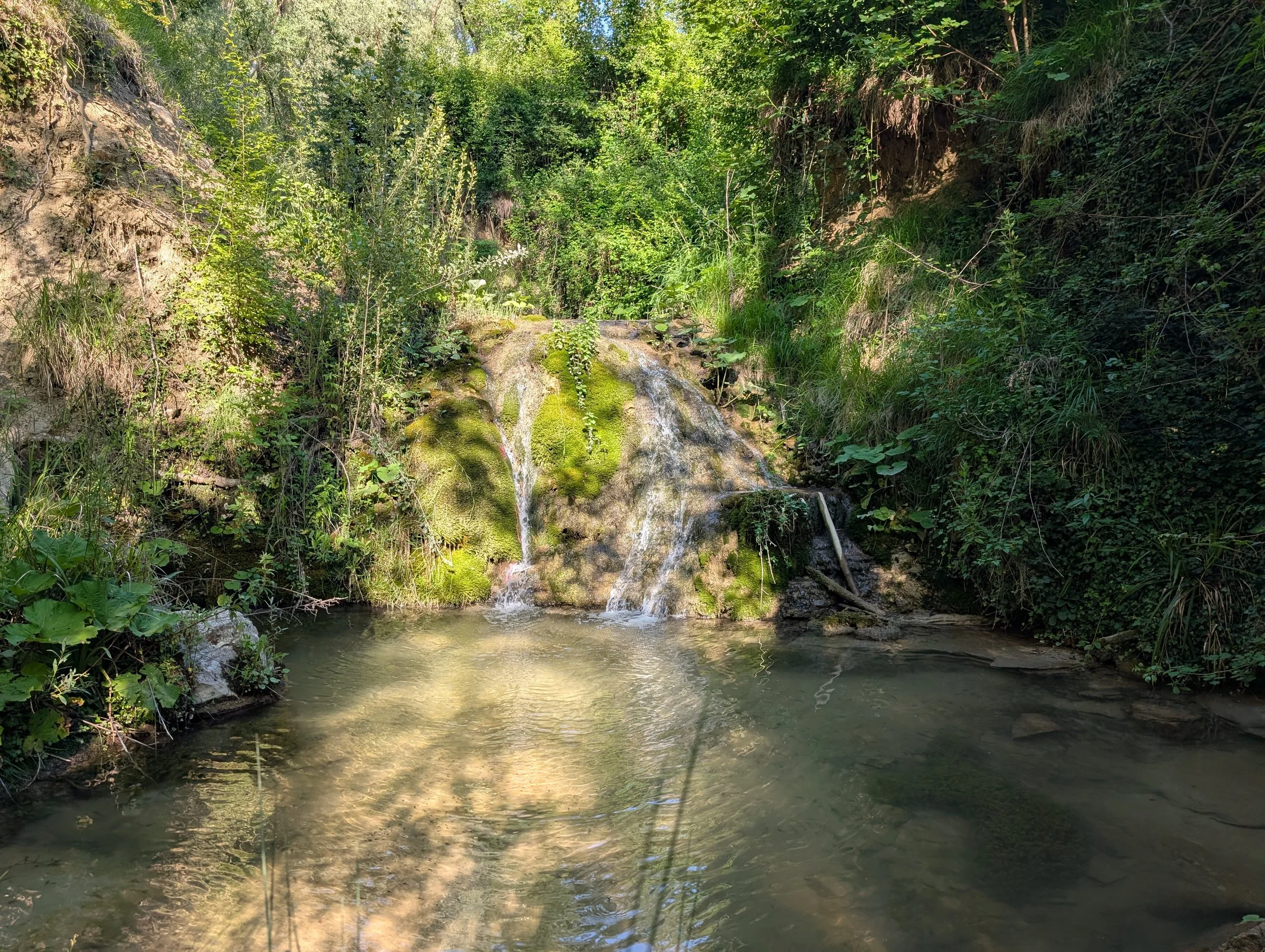
The swimming pool came with the property
For the past two years, the USDA has estimated farmers and ranchers received less than 6 cents of every food dollar. (Agweb) By selling directly to nearby clients and having few farm costs, our profit from whatever we sell is almost 100% minus taxes.
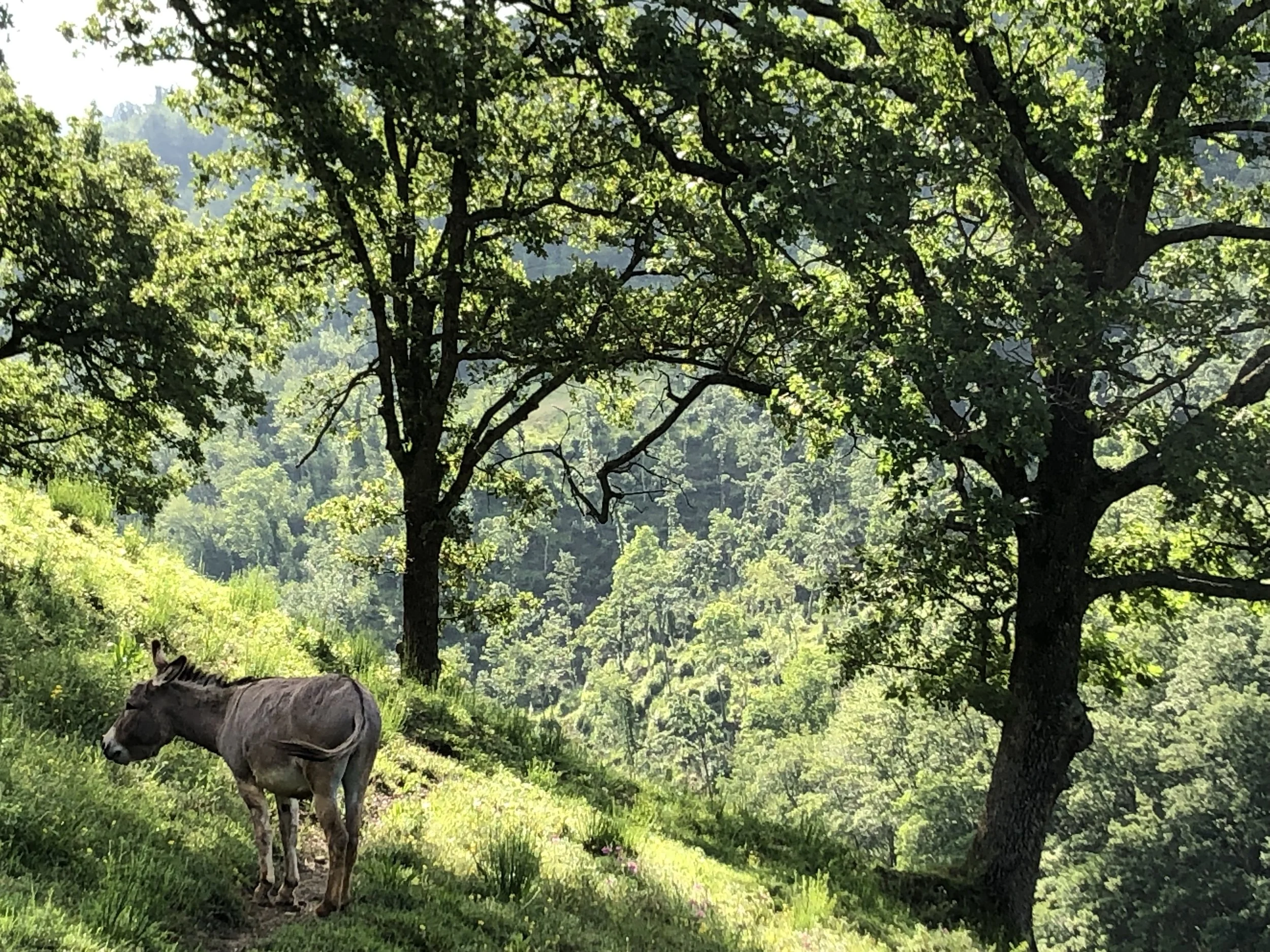
Sally in the field below the house
I became a farmer primarily to enjoy and sell deliciousness but it turned into an environmental cause. I stayed with farming because I began to sense a feeling of independence from the crushing worries and needs and fears of city life. I moved to the country to have enough; not just enough food and enough clean water, but fields of plant medicines, bird song, non-stop exquisite beauty. The discovery that I can take control of my basic needs was true freedom. But there was more. The work on the farm keeps me grounded … literally. I walk on earth, not concrete. All year everything around me is green. Alive.
During my years teaching, almost every word which came out of my mouth was based on what I had read, informed by the best current science. I still follow the science, but it's not enough. I want to share what I am continually learning from the land. I believe that our future is rural. I cannot see self-sufficiency and sustainability in a city. So be warned, my intention is to seduce you with the constant wonder of living within the natural landscape. Starting tomorrow.
Appendix:
© www.subversivefarmer.net June 2026