Finding Home <em>Part III: Food</em>
My Intention
I loved the excitement and the cultural richness of my former very urban life. But to stay in the city and fight for everything I believed in, while trying to live sustainably, was exhausting... requiring more stamina, money, and faith than I had. I left to simplify, live closer to the earth, and depend more on myself. I learned self-sufficiency from my neighbors. They taught me how to support myself. But I am learning the most from the land herself, living now where the seasons and the cycles influence everything I do.
I am using the title, Finding Home, to zero in on what may become critically important during this time of enormous confusion, uncertainty, and increasingly limited resources. What would make us feel as healthy and safe as possible? What do we need for grounding and stability but also joy and well-being? My first three categories are water, food and community - basic needs for all animal life. These are very general categories. I will progress to more specifics as I rattle on.
Where we are now
We have lost our connection to the food we eat, to where it comes from, to who produces it and how. Right now the entire world is anxiously aware of the strategic importance of the Strait of Hormuz. However, most are not aware that this is a conduit not solely for oil but also for soil amendments which (artificially) support the world's food production. Roughly 25-30% of global nitrogen fertilizer, 45% of global urea exports, 30% of ammonia exports and 25% of phosphate fertilizers come from the gulf region.
Our lives depend on the food we eat. But beyond that, what we choose to eat has political and an environmental impacts. Cacoa and coffee beans are two crops which, before consumption, travel long distances trailing fossil fuel emissions. Many shipments come from countries with human rights violations - child labor, sometimes child slavery. There are serious concerns over the levels of arsenic in dark chocolate. And then there is the increasingly popular avacado whose demand is now causing major deforestation and biodiversity loss. And just labeling a food 'fair trade' does not account for the emissions from the processing, shipping and storage. (All resrouces listed at end)
It is too easy to site the statistic that the richest 10% of the world cause half the emissions... too easy to absolve ourselves of any responsibility for our food choices. But every time we stop off for a coffee or pick up bananas at the grocers, we are voting with our wallets to import more food from far away, tacitly agreeing to more fossil fuels for their travel.
The issue of the increasing extremes being experienced now in the climate system takes on new urgency as it threatens our vital food crops. At a senate committee hearing in 1988, James Hansen, climatologist and director of NASA's Goddard Institute for Space Studies, stated that... our computer climate simulations indicate that the greenhouse effect is already large enough to begin to effect the probability of extreme events such as summer heat waves. That was thirty-eight years ago! We did nothing to change our behavior. Instead of scaling back on our consumption and trading in coal, oil and natural gas for renewables, we added solar, wind and water power to our ever-increasing combustion of carbon-based fuels. I am not waiting for our governments to develop a food security strategy. I will invest none of my energy in hope, a fantasy that someone else will intervene. It allows us to take no responsibility. I encourage no one to imagine that cities can feed themselves. How could that even be possible, community gardens or not? Where would the resources comes from?
We have become separated from the natural world and the living systems of which we are part. That separation has allowed us to degrade the very land and air and water on which we are completely dependent.
My objectives and needs are simple and completely self-centered: I want to be secure in feeding myself and my family. I want to be as healthy as possible. I want that for my family too. I want the absolutely best food for a reasonable price. I refuse to pay for the shipping and greenhouse gases which accompany food from elsewhere. I want to share my food with family - long delicious laughter-filled meals. I want to be surrounded by voluptuous green and growing beauty. And I want to be generous with my friends, to give gifts from the garden, gifts of food. But, at the same time, I want to do no harm.
Food is our energy source. It does so much more than just keep us alive, providing the vitamins and minerals—the essential nutrition for maintaining our bodies, for our overall health. Healthy eating supports our immune systems, protects our hearts, affects our moods. Depending on our choices, the food we consume will determine how much we can do throughout the day and how well we sleep at night. To find the healthiest food available, we need some simple guidelines... and these are not mine, they are pretty commonly accepted. We all know these things. We have heard them since elementary school. We just need a reminder.
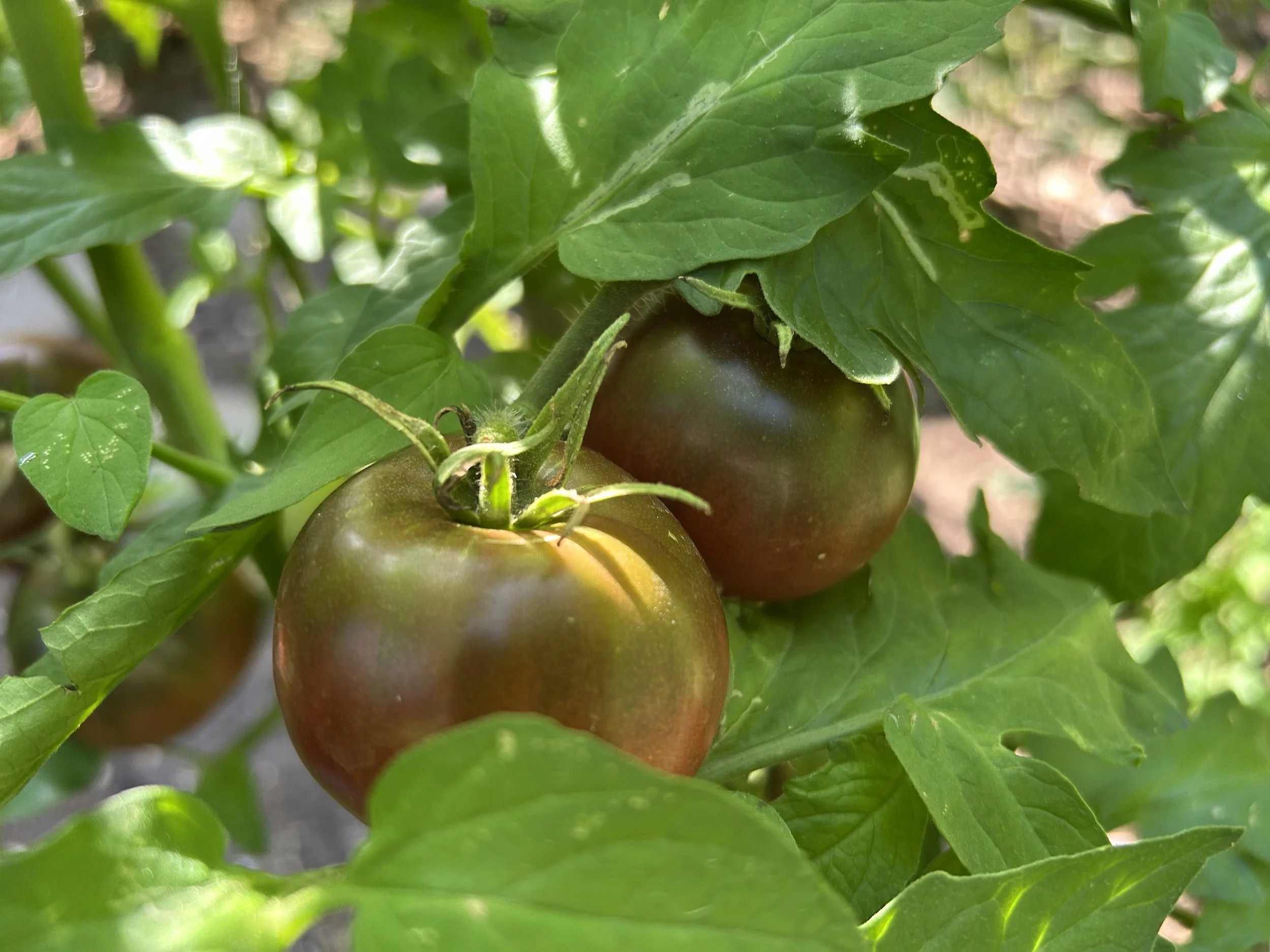
#1 Eat fresh food
Fresh whole food, just harvested food, should light up your mouth. The first bite tasting better than you can remember. Food which is fresh needs few ingredients or sauces, the taste and texture needn't be enhanced. The flavor should shine through. Eating becomes sensual. And more than that.... completely satisfying. (Whole food is defined as unrefined and unprocessed, unaltered. That excludes anything frozen.)
Eat food. Not too much. Mostly plants. That, more or less, is the short answer to the supposedly incredibly complicated and confusing question of what we humans should eat in order to be maximally healthy. Michael Pollan
Eating mostly plants is considered an optimal diet... plants fully mature before harvesting, preferably eaten on the day of harvest or as soon as possible after. All fresh food loses nutritional value over time—within hours to days. How fast depends on a number of factors: the type of food, the ambient temperature, the humidity in the environment, exposure to sunlight, the amount of water content, shipping, storage, handling. Ironically, buying the freshest food should be reasonably priced as there are no shipping or storage costs. But regardless of purchase price, factoring in health care costs later on—heart operations, obesity medications, blood pressure drugs—eating the freshest food is THE most economical in the long run.
In terms of adequate protein... people who limit how much meat they eat tend to have lower risks for chronic diseases... Plant protein sources (beans, lentils, soy foods, nuts, seeds) and seafood offer the most health benefits.
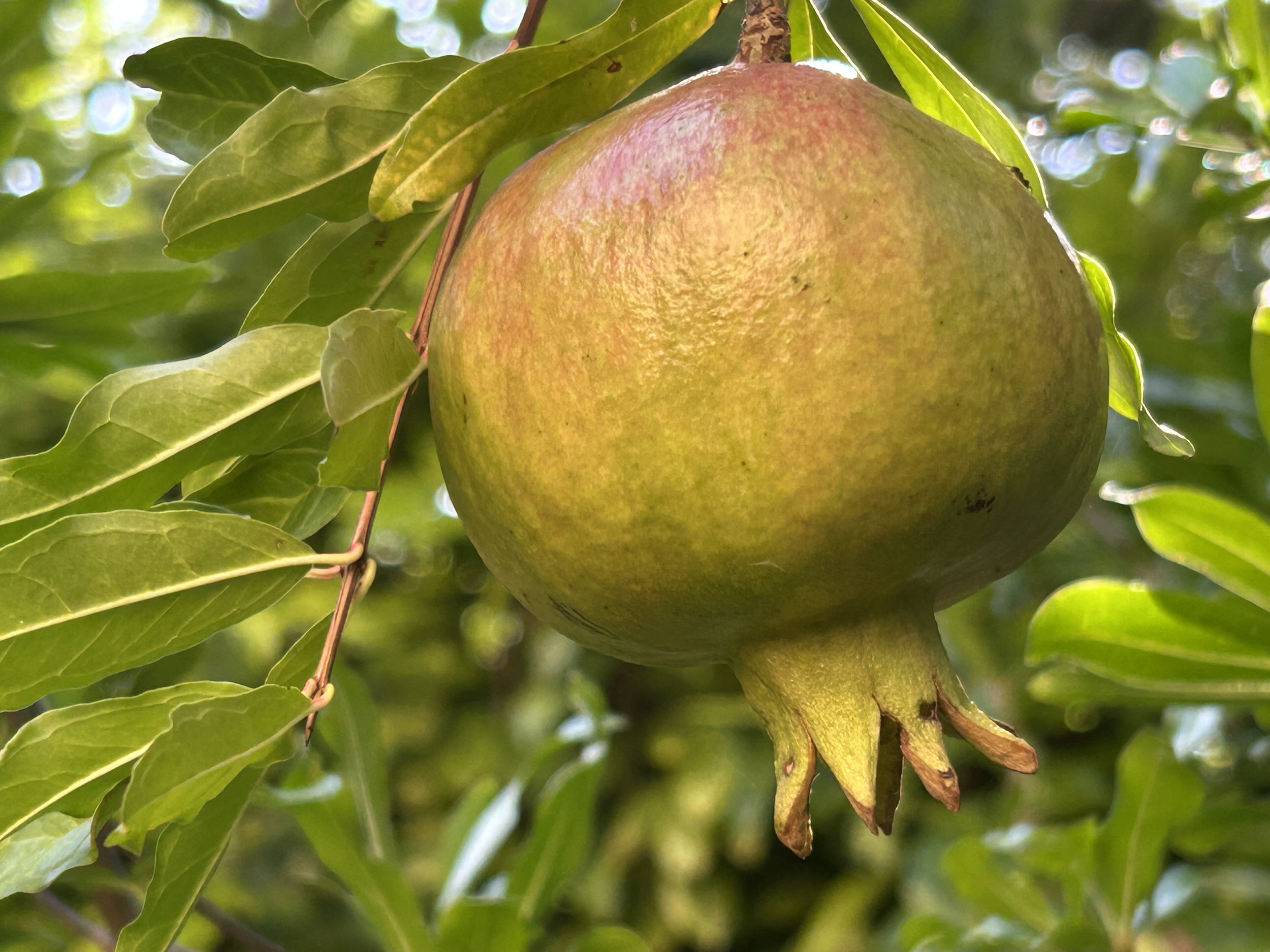
#2 Eat food growing in a natural environment, in natural conditions
Plants require sunlight, water, air and fertile soil teaming with microbiotic life to survive, grow and reproduce. To provide those artificially is degrading to the soil and water, costly environmentally and economically, and inferior to the natural cycling in the environment. Nothing we eat should come from under a plastic greenhouse or polytunnel. Nothing grows optimally indoors. Greenhouses are most often used to produce out-of-season food. They are water and energy intensive - often with automatic watering systems, fans, heaters, blowers and artificial lighting, often requiring heavy pesticide use due to the closed system. Contamination of soils in agricultural systems with microplastics is of increasing concern. In a recent study it has been revealed that greenhouse plastic cover films, commonly composed of polyethylene are releasing microplastics into the environment during their usage, significantly impacting ecosystems.
In the best of all possible worlds, farm plots would be a mix of species, an imitation of or a blending into the local ecosystem. Not a monoculture. The ideal farm would utilize companion plants—interplanting different crops together for increasing crop productivity or for pest control (rather than using chemical deterrents or genetic modification). Or a horizontal field crop might be grown under trees, within an orchard or vineyard. The current science emphasizes as little disturbance to the soil community as possible—no till agriculture—which simply means no plowing.
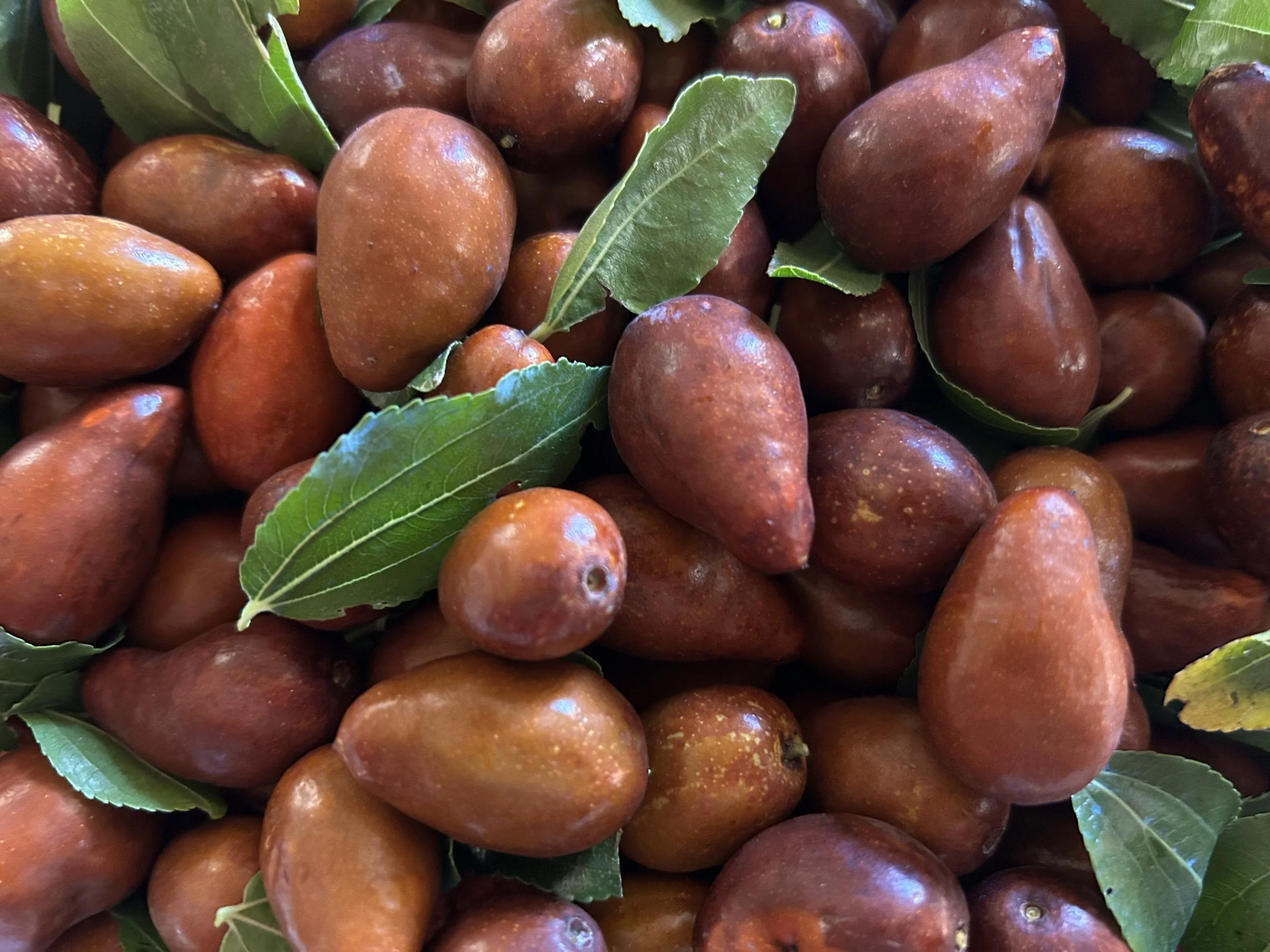
#3 Eat seasonally and locally
Eat food appropriate to the weather and the time of the year. Cooling foods in summer. Warming foods in winter. Local food is sold when mature, when the vitamins and antioxidants have reached their peak. And seasonal local produce, harvested at maturity, is generally more affordable. Purchasing food from the local farmers' market is a wonderful beginning for eating locally, supporting your local community and the local economy. By buying your food within your community, you are helping promote the small farms selling direct to consumers in your area while decreasing emissions and waste from packaging, transport, and shipping.
By eating locally, by knowing the farm and the farmer where your food is growing, you also know the labor conditions—who is producing your food and in what circumstances. We can vote with our wallets for a fair wage, for working conditions we support. One way to get involved is to volunteer at a local farm—whether it is a community garden, a CSA, or a cooperative. This can be fun and educational as well as delicious. It is wonderful on-the-job-training for growing your own food and learning the local farming traditions.
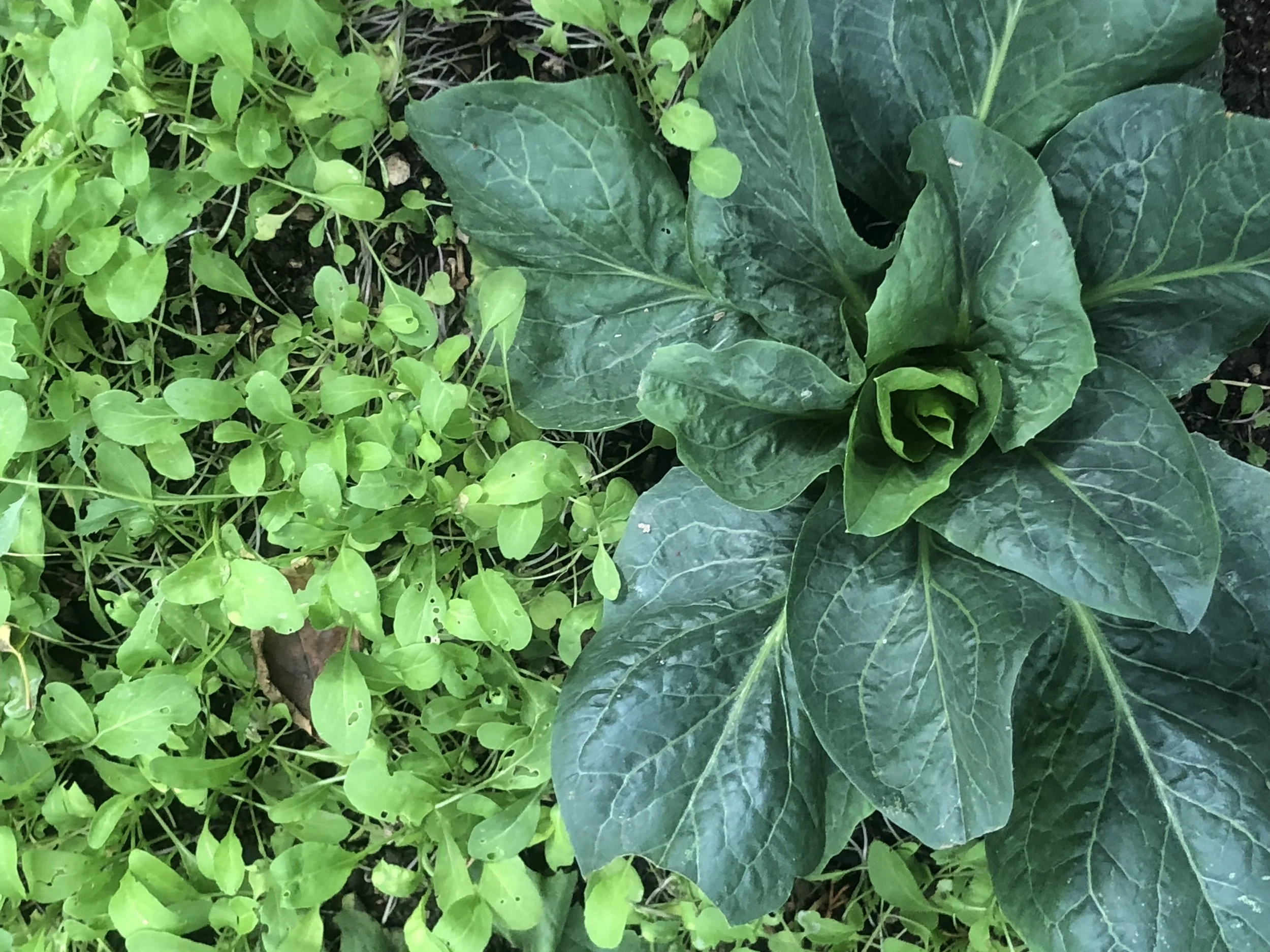
#4 Grow your own
To be clear, a sustainable farmer does not grow food. With adequate nutrition from the soil, with energy from the sun, and moisture from the rain, plants do all the growing by themselves. And animals grow by acquiring the energy and nutrition from plants. Left to their own devices—far from our interference—plants and animals find their food as well as an equilibrium between predation and accomodation. A small-scale farmer—not to be confused with the industrial agriculturist—is a midwife, one who helps out at the birth of the food, but interferes only if it is a necessity. It is imporant to be very clear that the food growing on healthy land has the ability to sustain itself within the environment, without our manipulation, and has done so for long before we were around. Left alone without our meddling, organisms adapt to their environment or go extinct. Most plants, without our interference and our destruction, will thrive.
To take control of your food supply can be a life-changing move. It can start with a vegetable garden in the backyard, farming a small plot, or taking the jump into homesteading. It begins with a choice to be self-reliant but can become something else, something more.
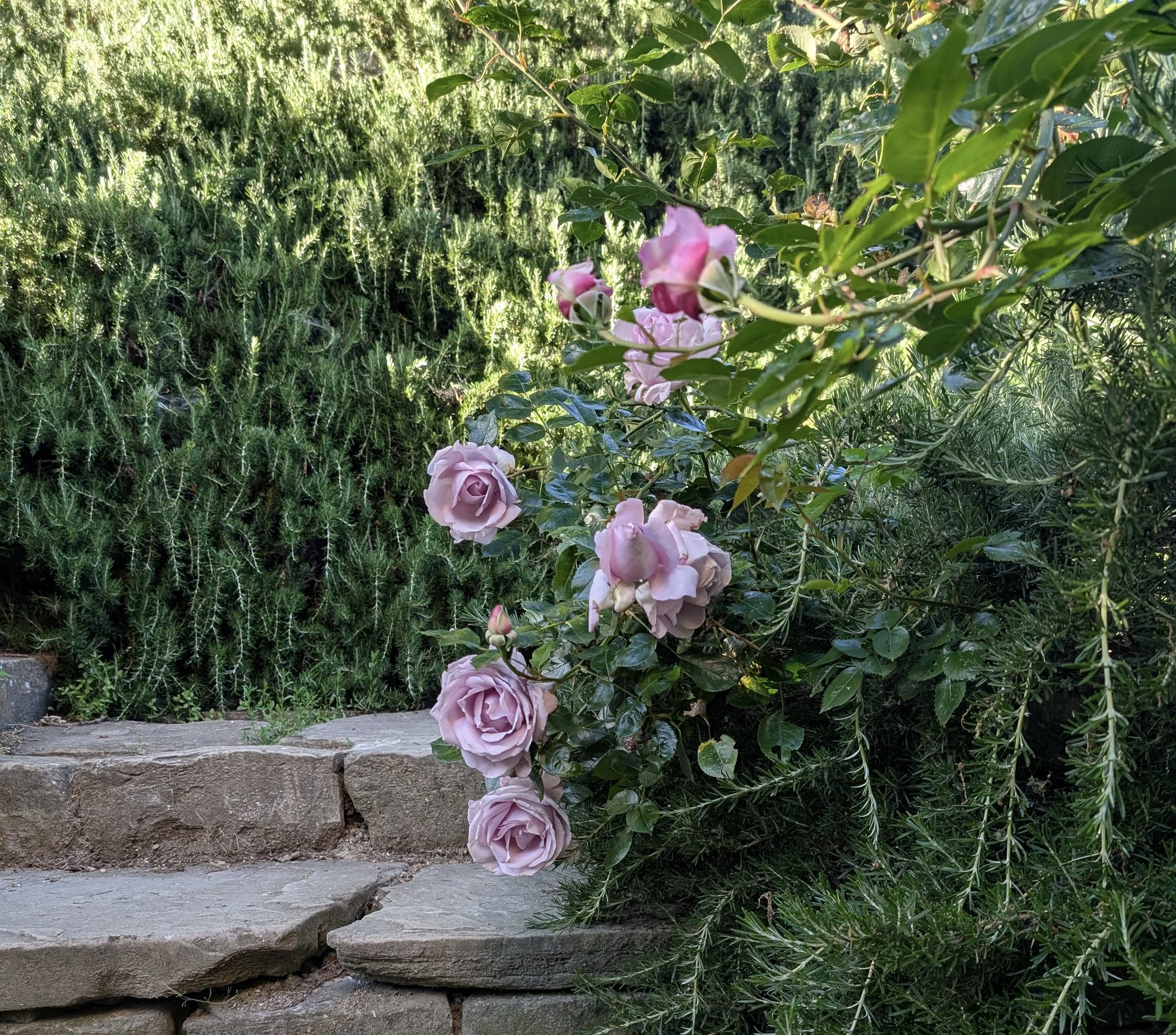
As a small scale farmer, I accept that there are limits to what I can control. And that Mother Nature has her moods. But I see no reason to not take charge where I can. I want to know that I can feed my family, that I can provide four seasons of food. I want my cupboards full of canning jars of summer sunshine. I want to see the crates of stored potatoes along with jars of seeds and stacks of drying wood sitting in the storage room. I don't want to live on commercially canned food in a bunker. I want to sit with my early morning cup of tea, my face in the sunlight. And I want the only light in the night sky to be the display of constellations. I want to hold onto the sense of wholeness and slowness... calm really... as I go about my workday, at my pace, on my schedule. I do not care if the Internet goes down. I wish no one inconvenience or worry, but I am not bothered if there are no shipments of oil coming out of the gulf. I can live with one foot planted solidly in the eighteenth century. I can handle that. In fact, it feels just right. I have time to smell the roses.
But its getting late in the day.
Its time to prepare.
© www.subversivefarmer.net March 24 2026
In a previous lifetime, Zia Gallina worked as a botanist for the National Parks Service and was professor of biology and environmental science at American University, Washington D.C. But she has always been a champion of small-scale biointensive farming, tagging behind Mother Nature, trying to stay as close as she can get.
In April I will begin a new series on my website: one season, seeding through harvesting, step by step, with lots of photos examining each step.
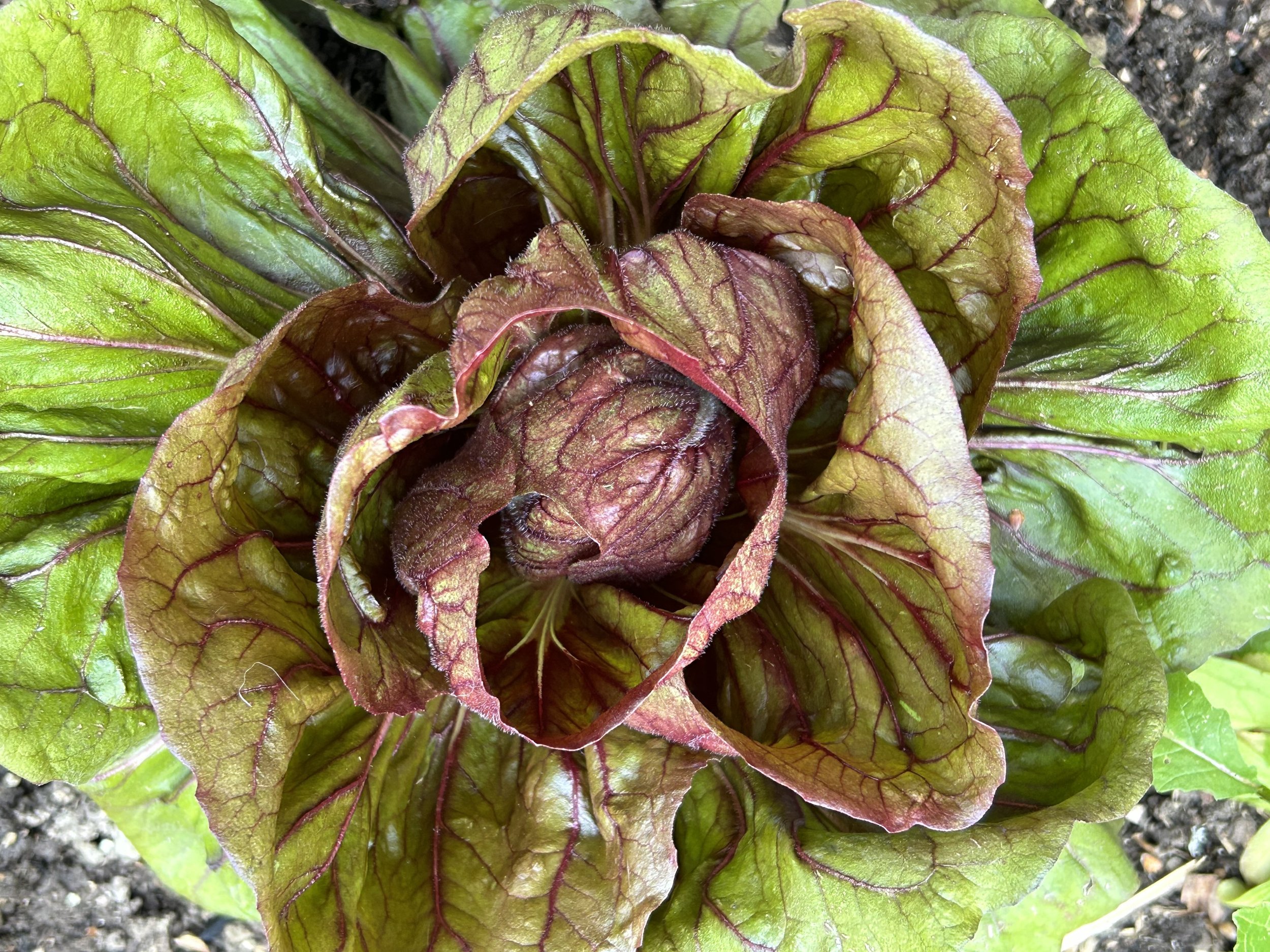
Really... its not challenging. The plants do all the heavy lifting.
Resources
All the italicized and semi-inflammatory statements have substantial scientific studies as backup. Don't wonder if they are true. Look them up and inform yourself! (Can you tell I was a teacher for thirty-three years?)
https://www.consumerreports.org/health/food-safety/lead-and-cadmium-in-dark-chocolate-a8480295550/
https://foodispower.org/our-food-choices/the-problem-with-avocados/
https://coffeewatch.org/coffee-and-human-rights-abuses/
https://foodispower.org/human-labor-slavery/slavery-in-the-chocolate-industry/
https://www.health.harvard.edu/healthbeat/5-principles-of-a-healthy-diet
https://www.sciencedirect.com/science/article/pii/S2772416625000798
https://www.fda.gov/food/environmental-contaminants-food/microplastics-and-nanoplastics-foods
https://civileats.com/2024/06/05/on-farms-plasticulture-persists/